Mechanical Keyless Lock: Adjustable Thumb Turn Guide
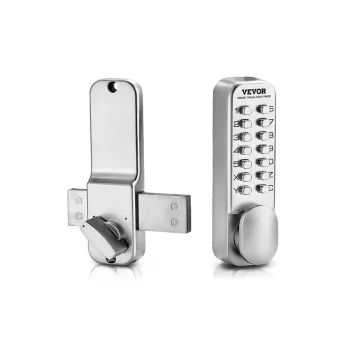
Mechanical Keyless Entry Door Lock with Adjustable Thumb Knob
A mechanical keyless lock keeps access simple: punch in a code, turn the knob, and go—no batteries to replace, no app to troubleshoot, and no Wi‑Fi required. When the lock also includes an adjustable thumb knob, it’s easier to dial in a smooth feel across common door thicknesses and left/right handings. That combination makes this style a practical choice for homes, rentals, garages, and side doors where dependable everyday entry matters more than extra features. For more guidance, see Best Smart Locks of 2026, Lab-Tested and Reviewed.
What Makes a Mechanical Keyless Lock Different
Mechanical keypad locks use a physical push-button keypad to retract the latch. Because the mechanism is purely mechanical, it avoids many issues associated with electronic locks. For further reading, see VEVOR Mechanical Keyless Entry Door Lock, 14 Keys, Mechanical ….
- Opens with a code using a mechanical keypad (no electronics required).
- Avoids battery changes and common electronic failure points.
- Useful for doors where simple, repeatable access is preferred over smart features.
- Typically best for exterior doors when paired with a solid door, reinforced strike plate, and proper installation.
For buyers comparing hardware, it helps to look for locks tested against recognized performance benchmarks. An overview of hardware standards is available through ANSI/BHMA A156 Series Standards for Door Hardware.
Adjustable Thumb Knob: Why It Matters
The interior thumb turn (thumb knob) is what you’ll use every day from inside—especially on doors that people exit through frequently. When that component is adjustable, it helps the interior side “meet” the latch mechanism in the most natural position for your door.
- Helps align the interior turn mechanism with the latch and door thickness for smoother operation.
- Supports more flexible placement on different door types and retrofit scenarios.
- Can improve usability for frequent entry/exit, especially on utility doors and secondary entrances.
- Reduces the chance of binding or stiff turning when the lock is installed on slightly non-standard doors.
This matters more than it sounds: many “stiff lock” complaints are actually alignment problems—door thickness, bore hole spacing, or a latch that isn’t centered cleanly in the strike.
Where This Style Works Best
Mechanical keyless entry is a strong fit anywhere you want consistent access without handing out keys or managing power.
- Rental properties: simplifies key management and turnover between occupants.
- Garages, workshops, and sheds: reliable access without worrying about dead batteries in cold or hot environments.
- Side and back doors: convenient for family members, dog walkers, or service providers using a shared code.
- Offices and stockrooms: quick entry for staff without distributing keys (when policy allows).
For specialty openings—especially rated fire doors—hardware selection and installation can involve additional rules. If you’re dealing with a fire-rated assembly, consult the applicable requirements and resources such as NFPA 80: Standard for Fire Doors and Other Opening Protectives.
Installation and Door Compatibility Checklist
Mechanical locks reward careful setup. Taking a few measurements and checking alignment can prevent most issues before they start.
- Confirm the door is properly aligned in the frame; dragging doors can make any lock feel stiff.
- Measure door thickness and backset, then verify the latch aligns with the existing bore hole.
- Use longer screws and a reinforced strike plate for stronger resistance to kick-ins.
- Test the latch movement with the door open before final tightening; adjust gradually to avoid misalignment.
- Choose a code management routine (who has it, when it changes) to prevent “shared-code creep.”
Quick Compatibility Checklist
| Item to Check | What to Look For | Why It Matters |
|---|---|---|
| Door thickness | Within the lock’s supported range; thumb knob can be adjusted | Ensures the interior knob and latch engage smoothly |
| Backset | Commonly 2-3/8″ or 2-3/4″ | Determines whether the latch sits correctly in the door edge |
| Bore hole alignment | Lock body sits flat; no rocking | Prevents binding and premature wear |
| Strike plate condition | Reinforced plate with long screws into studs | Improves security and reduces frame damage |
| Door/frame alignment | Latch enters strike cleanly without pushing/pulling door | Reduces sticking and improves reliability |
Security and Everyday Use Tips
A mechanical keypad lock can be a reliable part of an exterior door setup, but security depends on the whole opening: door slab, frame, strike, hinges, and installation quality.
Product Option
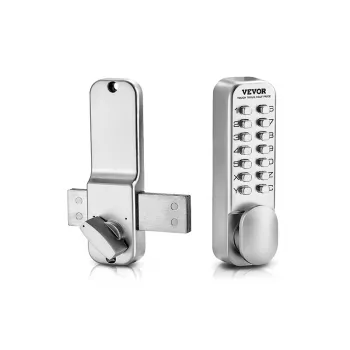
If the goal is straightforward keyless access without power management, consider the Mechanical Keyless Entry Door Lock with Adjustable Thumb Knob. It’s designed for no-battery operation and practical day-to-day entry control, with adjustability that helps it feel smoother on a wider range of doors.
More In-Stock Items
- Empower Your Inner Voice – A Practical eBook Guide on how to overcome self doubt, Build Confidence, and Strengthen Mindset for Personal Growth
- Travel Solo With Confidence: A Practical Guide to Overcoming Fear and Anxiety for Solo Travelers
- Durable Silicone Slow Feeder Dog Bowl with Suction Cups
FAQ
Do mechanical keyless locks need batteries?
No—fully mechanical keypad locks operate without batteries because the code buttons and latch retraction are powered by internal springs and linkages. Some locks marketed as “keypad locks” are electronic, so it’s important to confirm the lock is specifically mechanical if battery-free operation is the priority.
Will an adjustable thumb knob fit any door?
Adjustability helps accommodate common door thicknesses and improves alignment, but it doesn’t guarantee a fit on every door. Door thickness range, backset, and bore hole spacing still need to match the lock’s specifications for smooth, reliable operation.
Is a mechanical keypad lock secure enough for an exterior door?
It can be, but overall security depends on the lock’s design/grade and the strength of the door system around it. For better resistance to forced entry, use a solid door, reinforce the strike plate with long screws into framing, and ensure the latch aligns cleanly so it fully seats every time.






Leave a comment