AI vs Doctor Empathy: Why Chatbots Can Feel Kinder
Is AI more empathetic than the doctor?
AI can sometimes feel more empathetic than a doctor in the moment, but it isn’t truly more empathetic. A chatbot can respond instantly, use warm language, and stay patient no matter how many times a question is repeated. That consistency can be comforting—especially when someone is anxious, embarrassed, or unsure how to describe symptoms.
But AI doesn’t experience emotions, concern, or moral responsibility. Its “empathy” is a communication style based on patterns in language. A skilled clinician, on the other hand, can pick up on tone, body language, medical red flags, and personal context—then combine that with genuine human connection and accountability for care decisions.
Why AI can feel more empathetic
Doctor visits are often rushed, and patients may feel judged or interrupted. AI tools don’t show impatience, and they can validate feelings with supportive phrasing. They can also help organize thoughts, translate medical terms, and rehearse what to say—making it easier to advocate for yourself.
Where a doctor’s empathy matters more
Empathy in medicine isn’t just being kind; it’s understanding and responding appropriately when something is serious. A doctor can notice when symptoms don’t match the “typical” story, ask targeted follow-ups, and adjust care based on medical history, exam findings, and test results. That blend of compassion and clinical judgment is something AI can’t replace.
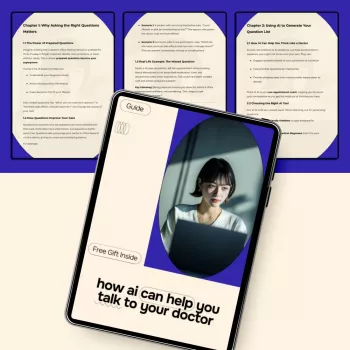
If the goal is a better appointment, AI can be a helpful support tool for preparing questions and describing symptoms clearly. For practical ways to do that, see this guide on using AI to prep for doctor visits and ask better questions.
For AI vs Doctor Empathy: Why Chatbots Can Feel Kinder, the best answer depends on fit, material, care instructions, and how the product will be used day to day.
FAQ
How can I use AI to prepare for a doctor appointment?
Summarize your symptoms, timeline, and concerns, then ask AI to turn them into a concise agenda and a short list of questions. Bring that summary to your visit so you don’t forget key details.









Leave a comment