3-Quart Electric Pressure Cooker: 4-in-1 Modes Made Easy
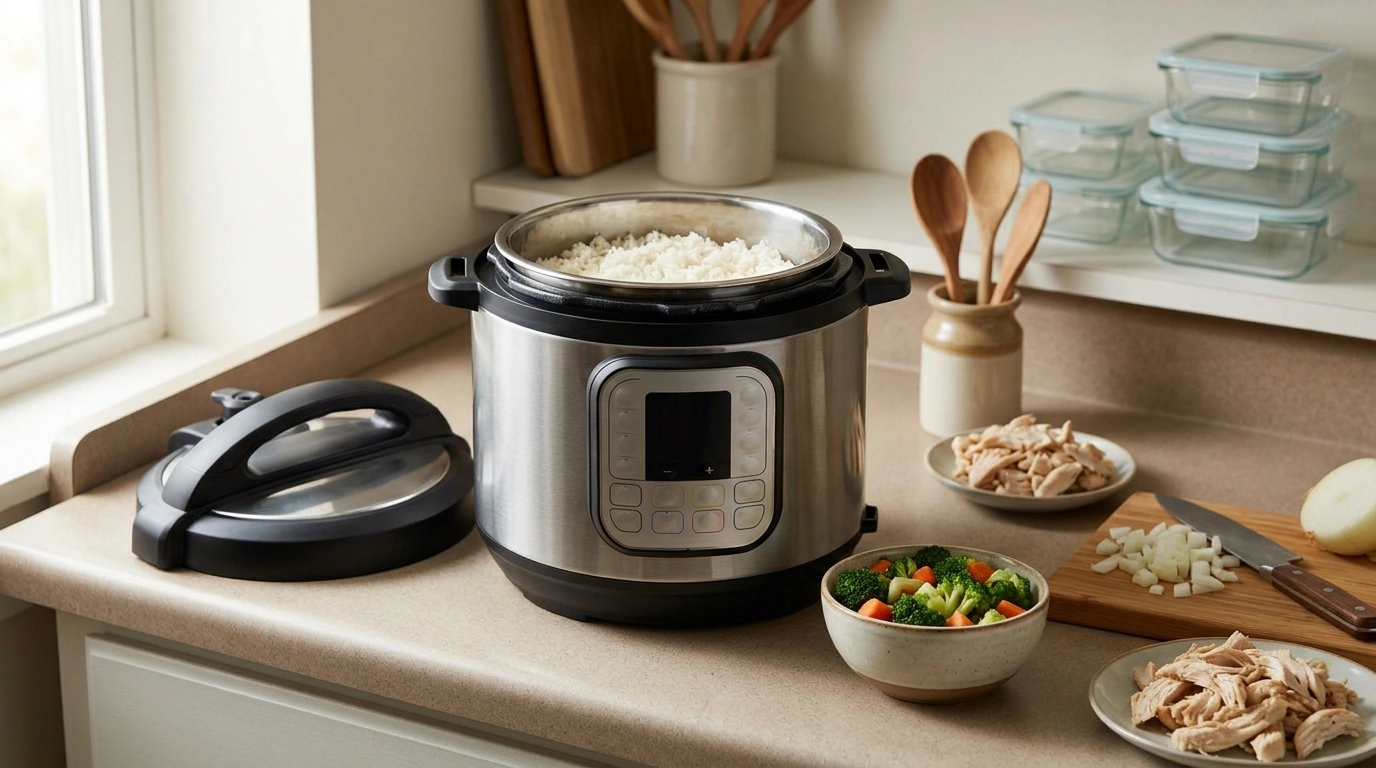
3-Quart 4-in-1 Electric Pressure Cooker: Slow Cook, Steam, Sauté, and Rice Made Simple
A compact electric pressure cooker can replace several countertop appliances while keeping weeknight cooking fast and predictable. A 3-quart 4-in-1 model combines pressure cooking with slow cook, steaming, sautéing, and a dedicated rice function—well-suited for small households, dorms, RV kitchens, and meal-prep routines where space is limited but consistency still matters.
What a 3-Quart Multi-Function Cooker Fits Best
A 3-quart capacity hits a practical middle ground: big enough to cook a real meal, small enough to avoid the “giant pot” problem when you only need a couple servings.
- Right-size capacity for 1–3 servings, side dishes, and smaller cuts of meat without oversized cleanup.
- Helpful for apartments, dorms, and RVs where storage and counter space are limited.
- Great for batch-cooking components (rice, beans, shredded chicken) that plug into multiple meals all week.
- Often more efficient for smaller portions than 6–8 quart cookers that take longer to heat and cool.
Four Core Modes and When to Use Each
What makes a multi-function cooker genuinely useful is how easily you can switch techniques—brown first, then pressure cook; or steam vegetables while the rest of dinner finishes. Here’s a quick guide for choosing the best mode.
| Cooking goal | Best function | Examples | Why it works |
|---|---|---|---|
| Fast comfort food | Pressure Cook | chicken soup, lentils, chili | Cuts cook quickly under pressure with less babysitting |
| All-day tenderness | Slow Cook | pulled pork, beef stew | Low heat gradually breaks down connective tissue |
| Light, moist results | Steam | broccoli, fish fillets, dumplings | Gentle heat minimizes drying out |
| Deeper flavor base | Sauté | onions/garlic, browning meat | Browning boosts aroma and savory depth |
| Consistent grains | Rice | white rice, jasmine, basmati | Automates timing for repeatable texture |
Pressure Cook
Use pressure cooking when time is tight but you still want tender results. It’s ideal for soups, chili, beans, tougher cuts (when sized appropriately), and quick weeknight dinners that usually take longer on the stove.
Slow Cook
Slow cook is the “set it and let it do its thing” option. It’s great for stews, pulled meats, and simmered sauces where steady heat matters more than speed. For safety basics—like keeping foods out of the temperature danger zone—follow trusted guidance such as the USDA FSIS slow cooker food safety recommendations.
Steam
Steaming works well for vegetables, dumplings, delicate fish, and even reheating leftovers while helping them stay moist. It’s also a smart way to meal-prep crisp-tender veggies without extra oil.
Sauté
Sauté is the flavor-builder. Browning onions, garlic, tomato paste, or meat before switching to pressure cook or slow cook can make the final dish taste richer without adding extra steps or extra pans.
Rice Function
A dedicated rice function simplifies timing for consistent white rice and similar grains. If rice is a weekly staple, this mode can turn “guesswork” into a reliable routine for bowls, stir-fries, and sides.
Why the 3-Quart Size Can Be the Sweet Spot
- Faster preheat and generally quicker turnaround for small batches.
- Easier to lift, store, and clean than larger electric pressure cookers.
- Encourages portion control and reduces food waste for smaller households.
- Ideal for side dishes while a main dish cooks on the stove or in the oven.
In many kitchens, a smaller cooker becomes the “most used” appliance because it’s not intimidating to pull out for a single task: a pot of rice, a quick soup, or a batch of shredded chicken for two or three meals.
Everyday Meal Ideas for Each Function
- Pressure Cook: shredded chicken for tacos and salads; quick bean-based soups; macaroni-style one-pot meals when you want comfort food without hovering.
- Slow Cook: small-batch marinara; pot-roast-style meals in smaller portions; oatmeal or breakfast grains for hands-off mornings.
- Steam: snap peas and carrots for meal prep; reheating rice without drying it out; steamed eggs (follow your appliance guidance).
- Sauté + Pressure combo: brown ground meat and onions, then pressure cook with tomatoes and spices for fast chili that tastes like it simmered longer.
- Rice Function: rice bowls, fried-rice prep (cook ahead and chill), and simple grain sides for stir-fries.
Practical Tips for Better Results
For general safe handling, storage, and kitchen hygiene, the CDC food safety guidance is a helpful reference—especially when cooling leftovers like soups, rice, and beans.
Cleaning and Care That Keeps It Working Well
Who This Cooker Is For (and Who Should Size Up)
Recommended Picks Available Now
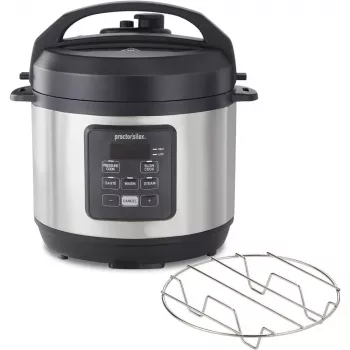
- 3-Quart 4-in-1 Electric Pressure Cooker with Slow Cook, Steam, Sauté & Rice Function ($80.01)
- Travel Solo With Confidence: A Practical Guide to Overcoming Fear and Anxiety for Solo Travelers ($12.99)
- Empower Your Inner Voice – A Practical eBook Guide on how to overcome self doubt, Build Confidence, and Strengthen Mindset for Personal Growth ($18.99)
FAQ
Can sauté be used before pressure cooking in the same pot?
Yes. Brown aromatics or meat using sauté, then add liquid and switch to pressure cooking; scrape up browned bits so they don’t stick and to boost flavor.
Is a 3-quart electric pressure cooker big enough for two people?
Often yes for everyday meals and sides. It typically handles smaller soups, rice, beans, and 1–3 portions comfortably, while larger batch cooking is easier in a bigger size.
What’s the difference between the rice function and pressure cooking rice?
The rice function automates timing and heat behavior for consistent results. Manual pressure cooking gives more control when adjusting for different grains, textures, or preferred firmness.







Leave a comment