Social Sports That Make Fitness Feel Like Friends
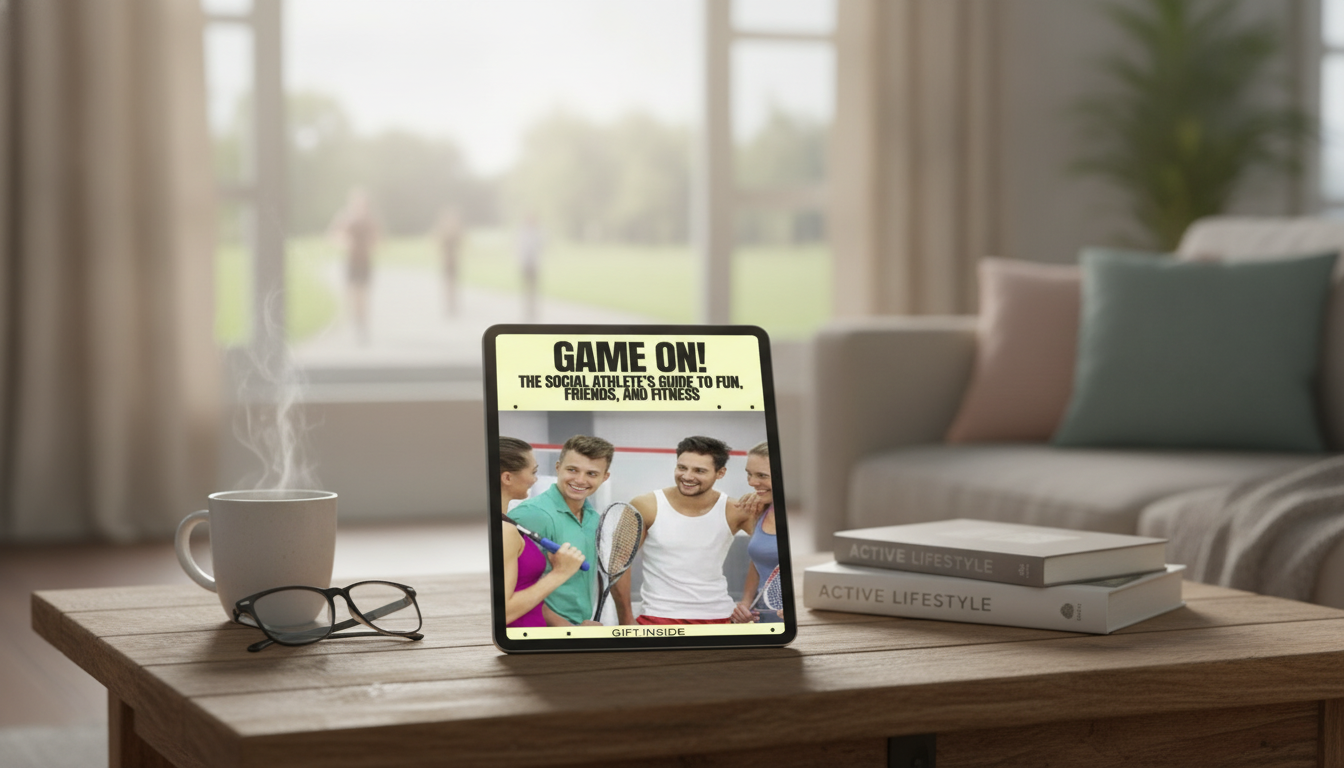
Game On! A Social Athlete’s Guide to Fun, Friends, and Fitness
Social sports and group workouts can turn exercise into a standing plan with friends—without forcing awkward small talk or relying on motivation alone. When the focus is a shared game, a class timer, or a team goal, connection happens in the background while fitness happens up front. Below are social-friendly ways to get active, how to pick the right fit, and simple habits that turn familiar faces into real friendships through consistent, low-pressure play.
Why social workouts stick when solo routines fade
Solo routines often fail for one boring reason: there’s no friction to skipping. Social fitness adds structure and makes showing up feel meaningful.
- Built-in accountability: teams, leagues, and class schedules create a reason to show up even when energy is low.
- Conversation flows naturally: it’s easier to talk when you’re reacting to the same play, drill, or workout.
- Progress feels faster: feedback is immediate (a better pass, a smoother rep), and effort is distributed across the group.
- Friendships form through repetition: same time, same place, shared wins—familiarity does the heavy lifting.
As a bonus, regular movement supports long-term health. If you want a simple benchmark for weekly activity, the Physical Activity Guidelines for Americans lay out clear, realistic targets that work well alongside recreational sports.
The best kinds of sports for social people
If the goal is friends and fitness, choose formats that encourage interaction instead of isolating effort.
- Small-team sports (4–7 per side): more touches, more shared moments, and less standing around.
- Rotating partner formats: you meet multiple people in one session without needing a full friend group.
- Recreational leagues: lower performance pressure tends to raise approachability (and laughter).
- Skill-friendly environments: beginner clinics, open play, and “welcome nights” build confidence quickly.
Quick match table: pick a social sport that fits your style
Use this to narrow options by conversation level, coordination demand, and how easy it is to join without a full friend group. When starting out, prioritize “Easy to join.” Once your weekly rhythm is established, structured leagues become much easier to commit to.
| Activity | Best for | Social vibe | Fitness focus | Easy to join? |
|---|---|---|---|---|
| Pickleball / tennis clinics | Meeting new people fast | High (partner rotation, between points chat) | Cardio + agility | Yes |
| Kickball / softball rec league | Low-pressure team bonding | High (sidelines + team hangouts) | Light-moderate cardio | Medium |
| Indoor soccer / futsal | High-energy teamwork | Medium-high (fast play, strong camaraderie) | Cardio + endurance | Medium |
| Volleyball open gym | Friendly mixed-skill play | High (group rotations, lots of encouragement) | Cardio + power | Yes |
| Group fitness (HIIT, bootcamp) | Structured sessions + community | Medium (shared effort, post-class chat) | Strength + cardio | Yes |
| Dance fitness / cardio dance | Fun-first movement | Medium-high (music + easy camaraderie) | Cardio + coordination | Yes |
| Running clubs | Chat-paced consistency | High (side-by-side conversation) | Cardio + stamina | Yes |
| Climbing gym meetups | Supportive skill-building | High (belay partners, problem solving) | Strength + mobility | Yes |
Team sports vs. group fitness: which builds friendships faster?
Both work—just in different ways.
- Team sports create a shared identity (roles, inside jokes, wins/losses) that deepens bonds over time.
- Group fitness creates frequent, low-stakes interactions that are easier to start, especially for beginners.
- Busy-schedule sweet spot: one weekly team activity plus one flexible drop-in class gives both commitment and convenience.
- Confidence-first approach: start with classes; add a league when consistency is the priority.
For a straightforward, health-forward reason to keep going, the CDC’s overview of physical activity benefits highlights how regular movement supports energy, mood, and long-term wellness—exactly the kind of payoff that helps social routines last.
How to choose an activity when the goal is friends and fitness
- Choose the minimum viable commitment: protect one time slot for 6–8 weeks before adding more.
- Optimize for proximity: the closer it is, the more likely you’ll show up when life gets busy.
- Pick beginner-friendly formats: clinics, open play, and rec leagues with clear rules reduce the “am I doing this right?” stress.
- Look for social signals: partner rotation, welcoming organizers, team chats, and post-game hangouts.
- Plan for cost and gear: rental- and borrow-friendly sports keep the barrier to entry low.
Simple ways to turn teammates into real friends
Getting started without feeling out of place
A practical 4-week social fitness plan
A deeper playbook for social athletes
- Game On! The Social Athlete’s Guide to Fun, Friends, and Fitness | Ebook on the Best Sports for Social People, Team Sports, Group Fitness & Active Friendships
- Empower Your Inner Voice – A Practical eBook Guide on how to overcome self doubt, Build Confidence, and Strengthen Mindset for Personal Growth
FAQ
What is the easiest sport to join alone and still meet people?
Look for drop-in, rotation-friendly formats like pickleball open play, volleyball open gym, running clubs, climbing meetups, and beginner clinics. The easiest option is usually the one closest to home with a clearly labeled beginner session.
How many times per week is enough to make friends through sports?
One to two consistent sessions per week is typically enough if you keep the same time slot for 6–8 weeks. Familiarity builds quickly when people see you regularly and start expecting you to be there.
What if fitness level is low or anxiety makes joining hard?
Start with beginner formats and choose activities with scalable intensity so you can take breaks without standing out. Aim for small wins (learn a couple names, show up early, stay a few minutes after) and add commitment only after you feel comfortable.










Leave a comment