Stop Cat Scratching: Redirect Claws Off Furniture
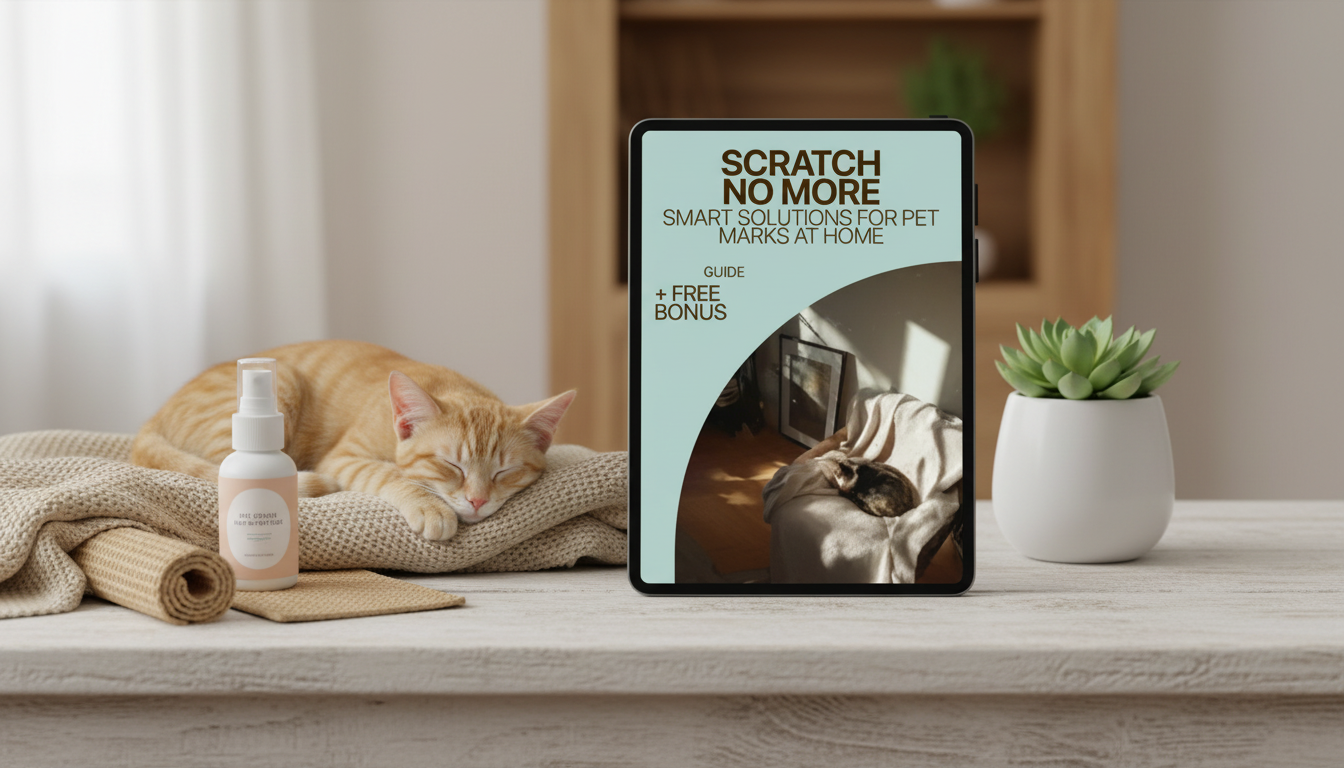
How do I get my cat to quit scratching my furniture?
Cats scratch to mark territory, stretch their bodies, and maintain their claws—so the goal isn’t “stop scratching,” it’s “move scratching” to a better spot. With the right setup and a few consistent habits, most cats will leave couches, chairs, and table legs alone.
1) Put the right scratcher in the right place
Start by placing a sturdy scratching post or pad directly next to the furniture your cat targets most. Many cats prefer vertical surfaces for stretching (tall, stable posts), while others go for horizontal scratchers. Offer both styles if you’re not sure. The scratcher should not wobble; if it moves, your cat may return to the furniture.
2) Make the furniture less appealing (without punishment)
Use temporary, cat-safe barriers during training: double-sided tape, furniture protectors, or a tightly fitted cover. The idea is to remove the “reward” of a satisfying scratch texture. Avoid yelling or spraying water—cats often just learn to scratch when no one is watching.
3) Make the scratcher irresistible
Rub catnip on the scratcher (if your cat responds to it) or use a catnip spray. Play near the scratcher with a wand toy, then reward your cat with a treat or praise when they scratch the right surface. This builds a strong positive association quickly.
4) Keep nails maintained
Trim the sharp tips every 2–4 weeks (or as needed) to reduce damage if a “mistake scratch” happens. If nail trims are stressful, try short sessions with treats, or ask a groomer or vet tech for help.
5) Protect while you retrain
If you need a more durable, low-fuss way to shield high-traffic spots during the transition, see this step-by-step guide: https://zelvira.com/guide-stop-pet-scratches-protect-furniture-redirect-claws/.
FAQ
Do scratching posts need to be tall for cats?
Usually, yes—many cats prefer a post tall enough to fully stretch, which also makes it more satisfying than a sofa arm. Aim for a stable post that’s at least around your cat’s length from nose to tail base.












Leave a comment