Reinforced Waist Tool Bag for Quick, Hands-Free Jobs
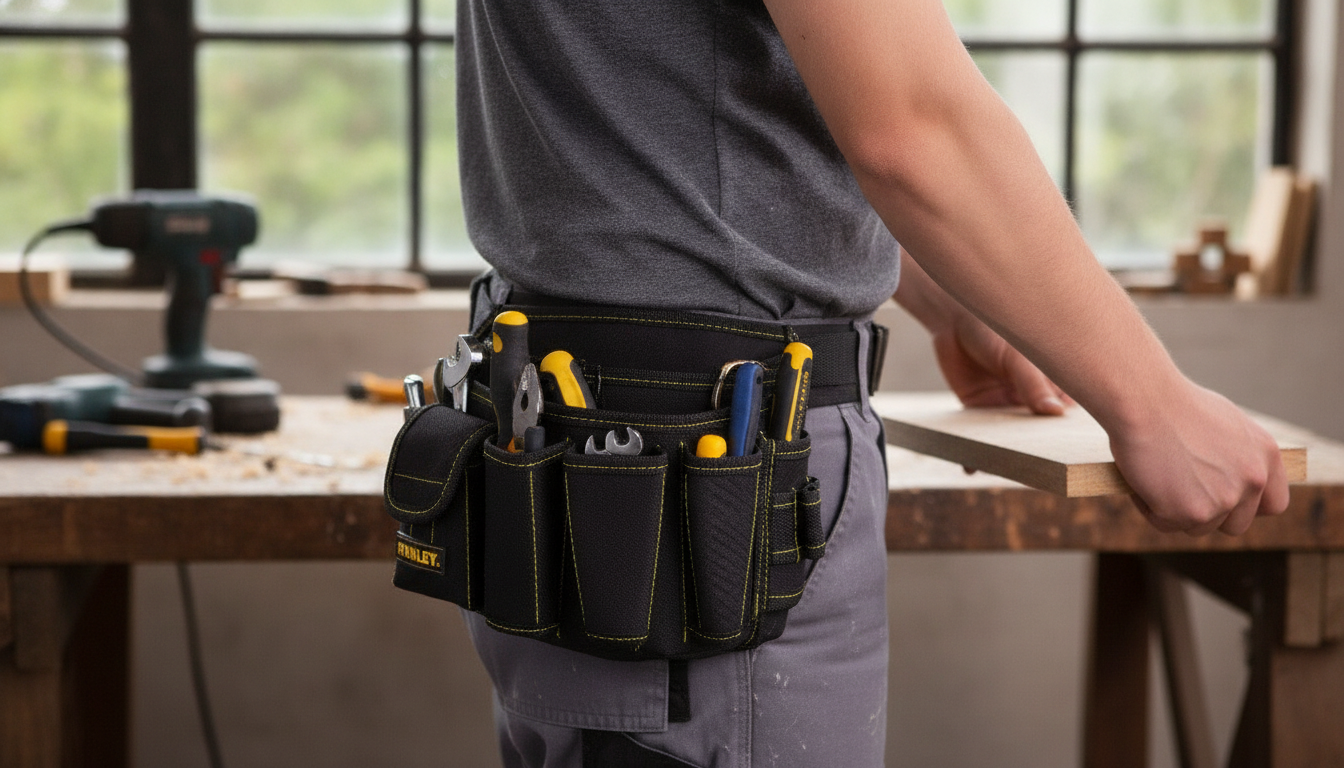
Multifunctional Waist Tool Bag with Reinforced Structure and Comfortable Grip
A waist tool bag keeps essential tools within reach while leaving both hands free. This multifunctional option focuses on a reinforced structure for everyday durability and a comfortable grip that makes frequent handling easier during repairs, installs, and quick jobs around the house or workshop. When the goal is to move efficiently—up and down a short ladder, between rooms, or around a workbench—having the right items riding at the waist can feel like a major upgrade over setting tools down and hunting for them later.
What It’s Designed For
- Hands-free access to small tools and supplies during tasks that require frequent movement
- Reducing trips back and forth to a toolbox by keeping core items on the waist
- Short jobs and punch-list work where quick access matters more than carrying a full kit
- Light-duty organization for items like tape, fasteners, utility knife, markers, small pliers, and measuring tools
Instead of hauling a full box for every minor fix, a waist bag helps you keep a compact “starter set” ready—ideal for touch-ups, quick mounts, and small adjustments where downtime is mostly spent reaching for the next item.
Reinforced Structure: Why It Matters Day to Day
- Helps the bag keep its shape so pockets stay open and usable while working
- Improves stability when walking, kneeling, or climbing a short ladder so the bag doesn’t collapse around contents
- Adds confidence when the load shifts, especially with uneven items like pliers or a tape measure
- Supports frequent in-and-out tool grabbing without the bag feeling flimsy
On a typical job, the bag gets tugged, bumped, and set down more times than you notice. A reinforced build matters because it keeps access consistent: pockets don’t “roll shut” at the moment you need a marker, and the whole bag is less likely to slump into an awkward pile that spills small parts. That steadier feel can also help you stay safer and more organized—especially when you’re moving around tools and sharp edges. For general tool safety reminders, OSHA’s guidance on hand and power tools is a solid reference.
Comfortable Grip and Easy Handling
- A comfortable grip helps when repositioning the bag, lifting it off a bench, or moving between rooms
- Reduces annoyance during repeated grabs, especially when hands are dusty, sweaty, or gloved
- Makes quick carry possible when a belt isn’t needed for a short task
- Pairs well with a reinforced build so the bag feels stable when carried by hand
Not every task calls for strapping in. Sometimes you’re just doing a two-minute adjustment, grabbing a few screws, or walking to another room to measure a space. A comfortable grip makes those transitions smoother—less fumbling, less pinching, and fewer awkward “juggles” that can lead to dropping tools.
Pocket Strategy: A Simple Way to Set It Up
- Assign a “fast access” spot for a utility knife, marker, and small tape measure
- Keep fasteners (screws, anchors, nails) in a dedicated area to avoid mixing sizes
- Reserve one compartment for a multitool or pliers to prevent poking and pocket wear
- Use a consistent layout so tools return to the same place every time
- Keep sharp edges capped or sheathed to protect fabric and fingers
Example Loadout by Task Type
| Task | Carry First | Optional Add-ons | Tip |
|---|---|---|---|
| Basic home repairs | Tape measure, utility knife, screwdriver bits | Small level, pencil/marker | Keep frequently used items in the most accessible pocket |
| Hanging and mounting | Anchors/screws, drill bits, marker | Stud finder, mini pry tool | Separate anchors by size to avoid fumbling |
| Electrical prep (non-live work) | Tape, marker/labeling, small hand tools | Cable ties, small flashlight | Store small parts together to prevent loss |
| Workshop organization | Fasteners, small wrench, pliers | Caliper, small brush | Dedicate a pocket to “return-to-bin later” items |
How to Wear It for Better Balance
- Position the heaviest tool near the hip rather than front-center to reduce bounce
- Split weight across pockets instead of stacking everything in one section
- Tighten the belt so it doesn’t slide, but allow enough room for comfortable bending
- If switching sides often, set up mirrored pockets (e.g., knife and marker) for consistency
Care and Longevity Tips
Small habits go a long way. A quick shake-out at the end of a project and keeping sharp tools covered helps preserve pocket interiors and reduces accidental snags. If you’re building safer routines around work setups, the NIOSH Hierarchy of Controls is a helpful framework for thinking through practical risk reduction steps.
When a Waist Tool Bag Is the Right Choice (and When It Isn’t)
Product Snapshot
Shop In-Stock Picks
- Multifunctional Waist Tool Bag with Reinforced Structure and Comfortable Grip ($11.51)
- Empower Your Inner Voice – A Practical eBook Guide on how to overcome self doubt, Build Confidence, and Strengthen Mindset for Personal Growth ($18.99)
FAQ
What tools fit best in a waist tool bag like this?
Compact essentials work best—think a tape measure, utility knife, marker, small pliers or multitool, screwdriver bits, and a small fastener assortment. Keep heavier items minimal so the bag stays comfortable and doesn’t pull or bounce while you move.
How should the bag be loaded to avoid bouncing or sagging?
Distribute weight across pockets and place the heaviest items near your hip instead of front-center. Tighten the belt enough to prevent sliding, keep fasteners grouped in one area, and avoid overloading a single pocket.
How can the reinforced structure be maintained over time?
Empty dust and debris regularly, avoid leaving wet items inside, and keep sharp tools sheathed to prevent abrasion. When storing, hang the bag or lay it flat in a dry spot to help it keep its shape.










Leave a comment