Greener Travel on a Budget: Simple Sustainable Tips
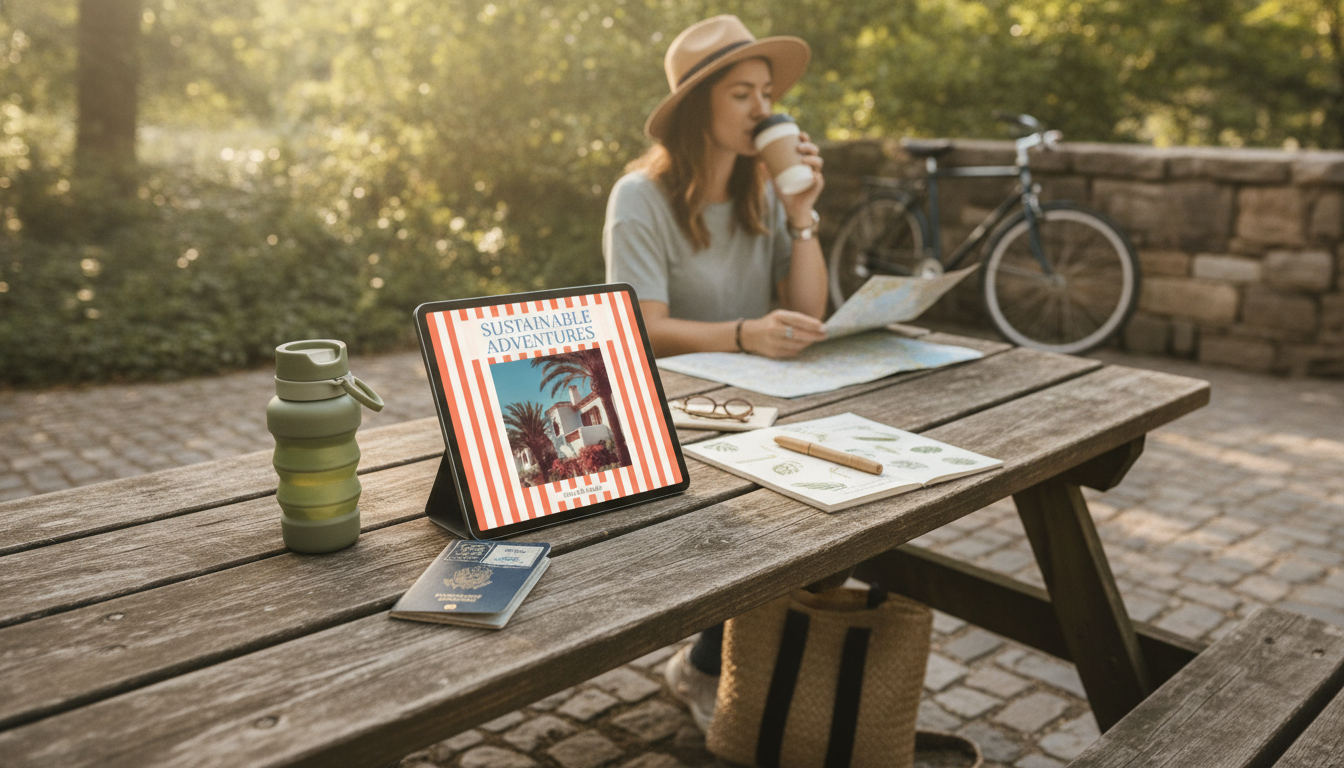
Sustainable Adventures on a Budget: A Beginner-Friendly Path to Greener Travel
Sustainable travel doesn’t have to be expensive or complicated. With a few practical planning habits—like choosing lower-impact transport, avoiding waste, and supporting local businesses—beginners can reduce their footprint while still keeping costs under control. The guide below breaks sustainable travel into simple decisions you can make before you go, while you’re on the road, and after you return—without turning your trip into a stressful checklist.
What “sustainable on a budget” really means
Budget-friendly sustainability works best when it prioritizes the biggest levers first. For most trips, that means reducing the number of flights, choosing efficient ground transportation, and avoiding the “constant moving” style of travel that increases both emissions and daily spending.
It also helps to remember that many “eco” habits are just “less waste” habits—and wasting less usually costs less. Reusables, smarter bookings, and fewer impulse buys can make your trip both cleaner and cheaper.
Aim for better, not perfect. Pick a handful of high-impact habits that fit the destination, your schedule, and your comfort level, and you’ll get most of the benefit without burning out.
Plan your trip like a low-impact minimalist (without losing comfort)
Good planning is the most underrated sustainability tool—especially for beginners. A few choices made upfront can reduce your cost per day and your travel footprint at the same time.
- Choose simpler routes: destinations you can reach with fewer connections are often more reliable, and direct routes typically reduce emissions and missed-connection expenses.
- Travel slower: fewer cities and longer stays cut transportation spending, reduce emissions, and usually create a more relaxed trip.
- Book with flexibility when you can: avoiding last-minute changes can prevent pricey rebooking and unnecessary waste.
- Create a mini “sustainability budget”: set aside a small amount for one or two high-impact upgrades (a rail pass, a refillable water option, or a locally run experience).
Budget-friendly sustainability swaps (high impact first)
| Decision | Lower-cost sustainable option | Why it helps | Typical cost effect |
|---|---|---|---|
| Getting there | Train or bus for shorter routes; fewer flights overall | Often lower emissions than flying for many distances | Usually saves or similar (route-dependent) |
| Itinerary pace | Stay longer in fewer places | Cuts transport emissions and daily “reset” spending | Saves |
| Packing | Reusable bottle, utensils, tote; pack lighter | Reduces single-use waste; lighter bags can lower fees and fuel use | Saves |
| Food | Shop local markets; eat more plant-forward meals | Supports local economy; can lower food footprint | Often saves |
| Activities | Small-group local tours; self-guided walks | Keeps money local; reduces overtourism pressure | Often saves |
| Souvenirs | Consumables or experiences; avoid mass-produced trinkets | Less waste; more meaningful purchases | Neutral to saves |
Transportation choices that protect both wallet and planet
If you want one simple rule to guide most transportation decisions, use the “distance rule”: walk or bike for short trips, take public transit for medium trips, and use trains or buses for regional travel when feasible.
- If flying is unavoidable: reduce the total number of flights. Choose one main destination, avoid extra hops, and consider overnight ground travel where it’s safe and practical.
- Pack light: fewer or smaller bags can reduce checked baggage fees and (at scale) lowers fuel burn. Prioritize multi-use clothing and compact toiletries.
- Choose local mobility that stacks savings: transit passes, bike shares, and rideshare pooling can cost less than repeated taxis.
For more background on responsible tourism goals and why transportation choices matter, the UN World Tourism Organization offers a helpful overview at UNWTO – Tourism and Sustainability.
Where you stay: comfort, value, and impact
The most sustainable stay is often the one that reduces your need for daily transportation. Location can be more impactful than small in-room changes—plus it helps your budget by cutting ride costs and time spent commuting.
Eat and shop locally without overspending
For a broader perspective on reducing waste through everyday consumption choices, see UNEP – Sustainable consumption and production.
Low-waste habits that also reduce travel expenses
If you want a simple framework to follow, the U.S. EPA’s basics are still a solid reference: Reduce, Reuse, Recycle.
Respectful travel: leave places better than you found them
A simple beginner checklist for your next trip
A practical guide that ties it all together
If you prefer a step-by-step structure (especially for your first few trips), a dedicated guide can streamline decisions on transport, packing, lodging, food, and low-waste routines. Sustainable Adventures on a Budget (eco travel eBook) is designed to help beginners focus on the highest-impact moves without chasing perfection.
And if the idea of navigating a new place alone is what keeps you from traveling slower (which is often more sustainable), Travel Solo With Confidence can help you build calm, repeatable routines so you’re more likely to choose simpler routes, longer stays, and local transportation.
FAQ
Is sustainable travel more expensive?
Not necessarily—many sustainable choices save money, like walking, using public transit, packing light, and staying longer in fewer places. A few upgrades can cost more, so it helps to prioritize the highest-impact changes first and keep the rest simple.
What are the easiest eco-friendly changes for a first-time traveler to start with?
Start with a refillable bottle and tote, pack lighter, choose trains or buses when feasible, stay longer in fewer places, eat more local and plant-forward meals, skip daily housekeeping, and avoid single-use plastics. These habits are beginner-friendly and often reduce day-to-day spending.
How can flights be handled more responsibly on a tight budget?
Reduce the number of flights by choosing one main destination, favor direct routes, and travel less often but for longer stays when possible. Pack light to avoid baggage fees and rely on lower-impact ground transportation once you arrive.










Leave a comment