Desk Worker Mobility: Micro Breaks for Better Posture
Why desk work makes the body feel stuck
Desk time has a way of making the body feel “locked up” even if the workload is purely mental. When you sit for long stretches, your hips spend hours in flexion, which can reduce hip extension and leave the front of the hips feeling tight the moment you stand up or take your first steps.
At the same time, screen-focused posture often shifts the head forward and rounds the shoulders. That forward head posture plus a slightly collapsed upper back can turn into persistent neck and upper-back tension by mid-afternoon. Add low movement variety (same chair, same keyboard, same angles), and circulation tends to slow—stiffness feels louder and more noticeable as the day goes on.
The practical fix usually isn’t a single heroic stretch session after work. Small, frequent mobility “inputs” throughout the day tend to work better because they interrupt stiffness before it accumulates.
Posture reset basics that don’t require perfect ergonomics
Ergonomics matter, but you don’t need a flawless workstation to improve how you feel. Start with a simple idea: stack the ribcage over the pelvis. Think “tall and neutral,” not an exaggerated arch or a rigid, forced posture.
Next, make the screen work for you. If you find yourself craning your neck forward, bring the screen closer before you bring your head closer. Small changes—like slightly raising the laptop or increasing font size—often reduce the urge to lean.
One of the quickest resets is “relax then align.” Exhale fully, let the shoulders drop, then gently lift through the crown of the head. It’s a low-effort pattern you can repeat many times a day without fatigue.
Finally, change positions often. A minor chair-height tweak, standing during a call, or a quick walk to refill water can be more valuable than chasing one “perfect” setup. For additional workstation guidance, the NIOSH ergonomics resources are a reliable reference.
A simple workday movement plan (micro-sessions that add up)
Instead of waiting until you’re already stiff, use brief movement breaks every 45–90 minutes. Keep intensity low—the goal is joint motion and tissue “wake-up,” not sweating at your desk.
A helpful trick is to tie movement to triggers that already happen: after meetings, after sending a batch of emails, or even during loading screens. Rotate focus areas across the day (neck/upper back, hips, ankles, and a short brace pattern) to avoid overdoing one spot and ignoring the rest.
| When | Time | Move focus | Examples (choose 1–2) |
|---|---|---|---|
| Start of day | 2–3 min | Spine + breathing | Seated or standing tall-breath reset; gentle thoracic rotations |
| Mid-morning | 2–4 min | Hips | Hip flexor opener; standing glute squeeze; leg swings (small range) |
| Lunch break | 5–10 min | Walk + posture | Brisk walk; shoulder blade squeezes; chest opener |
| Mid-afternoon | 2–4 min | Neck/upper back | Chin tuck holds; wall angels; doorway pec stretch |
| End of day | 3–6 min | Lower body + unwind | Hamstring floss; calf/ankle rocks; gentle spinal side bends |
Daily mobility moves that fit beside a desk
Neck: easy range without forcing
Try slow nods and gentle rotations, staying short of pinching or sharp pain. A small, comfortable range done consistently usually beats a big “crank” once in a while.
Upper back: un-round the “desk curve”
Seated or standing thoracic rotations are a go-to. Add shoulder blade circles to remind the upper back it can move independently from the neck.
Chest and shoulders: create space for the ribs to stack
A doorway stretch or a hands-behind-back opener can counter the rounded-shoulder drift. Keep the neck relaxed and avoid jutting the chin forward.
Hips: open the front, wake up the glutes
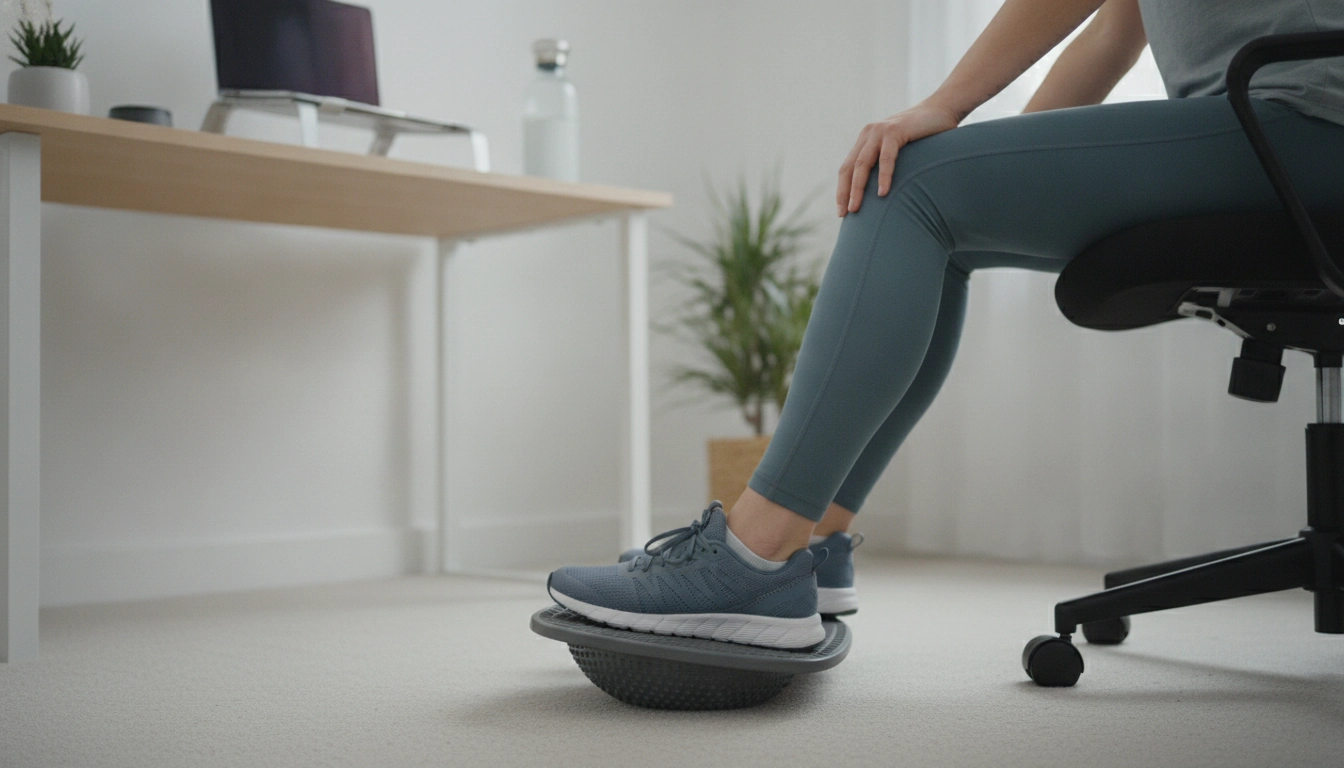
Ankles: keep walking mechanics smooth
Core patterning: support posture without rigidity
How to progress without turning mobility into another chore
To stay motivated, track one or two markers: a deeper, easier breath; less neck tension late in the day; smoother stand-up from the chair; or a more comfortable squat depth. If you’re also aiming for weekly activity targets, the CDC adult activity guidelines provide clear benchmarks you can pair with daily micro-mobility.
What “Sit Better, Move Smarter” adds to a typical stretching routine
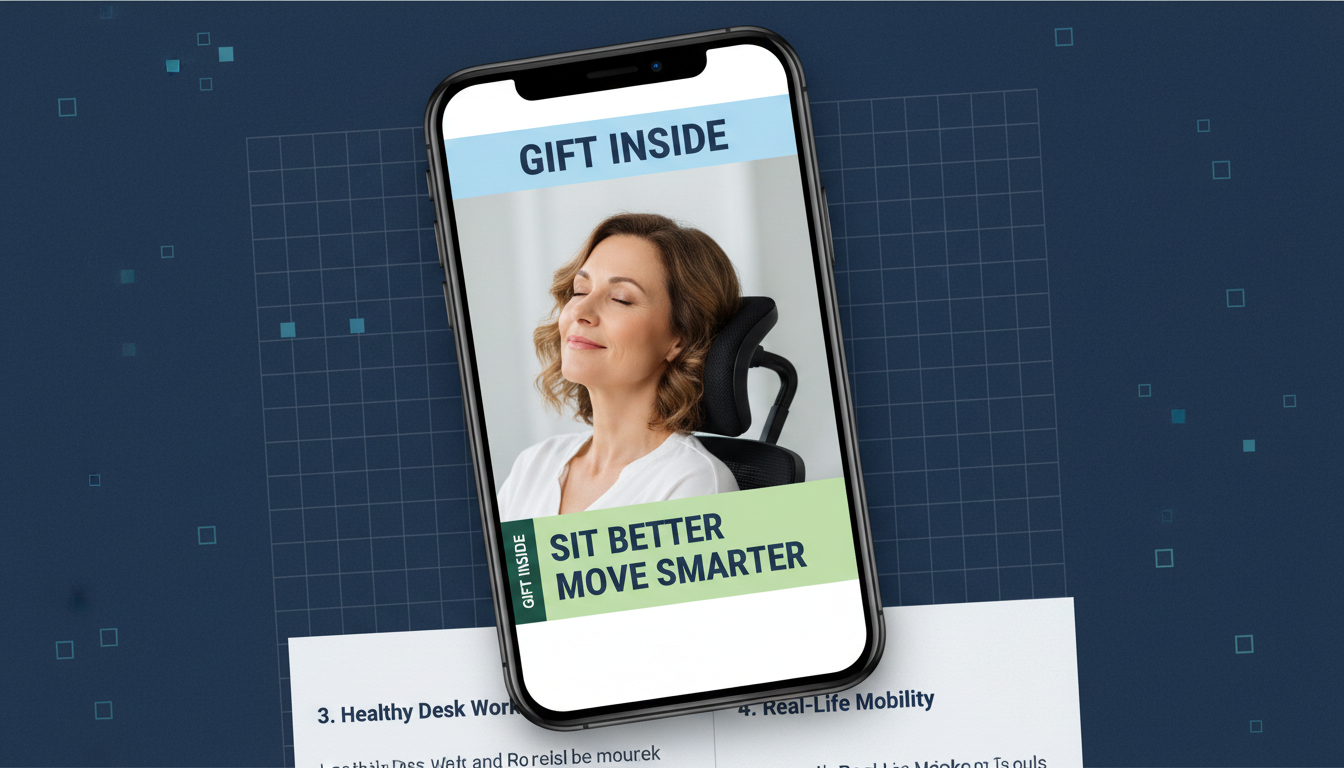
If you want a ready-made routine with repeatable posture resets, rotating movement “menus,” and a simple structure that’s easy to follow on busy days, Sit Better, Move Smarter – A Practical eBook on Mobility for Desk Workers | Daily Desk Mobility Guide, Posture Reset, Workday Movement Plan lays it out in a clear, desk-friendly format.
And because consistency often comes down to mindset—especially when work is stressful—pairing your movement habit with confidence-building tools can help it last. Empower Your Inner Voice – A Practical eBook Guide on how to overcome self doubt, Build Confidence, and Strengthen Mindset for Personal Growth supports the mental side of sticking with small daily commitments.
Who this approach works best for (and when to get extra help)
FAQ
How often should desk workers do mobility during the day?
Aim for brief breaks every 45–90 minutes, using 2–4 minutes per break. Consistent micro-sessions usually reduce stiffness more reliably than an occasional long session.
Is mobility better than stretching for posture and stiffness?
Mobility combines controlled movement through range with a bit of stability, which often carries over better to sitting and standing posture. Stretching can help, but adding active control tends to make the results feel more “usable” during the workday.
Can a short movement plan really help if the job requires sitting all day?
Yes—small movement “snacks” reduce how much stiffness builds up across the day. A mix of quick walks, posture resets, and rotating focus areas can noticeably improve comfort without disrupting work.









Leave a comment