Flower Cat Tree Guide: Petal Perches, Play & Stability
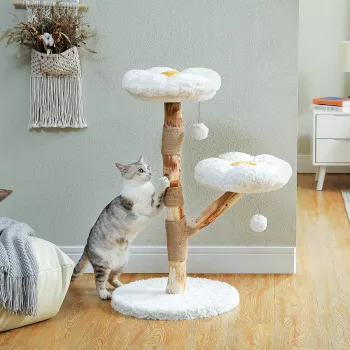
Flower Cat Tree: A Playful Climbing Space with Petal-Soft Style
A flower-inspired cat tree blends cozy lounging, scratch-friendly surfaces, and vertical play into one compact footprint. With petal-shaped perches and a softer, décor-forward silhouette, it can feel more like an accent piece than a bulky tower—while still giving cats what they crave: height, traction, and a place that’s “theirs.” Below is a practical guide to choosing the right flower-style cat tree, placing it where it gets used daily, and keeping it stable and inviting for climbing, perching, and naps.
What Makes a Flower-Style Cat Tree Different
Flower-style cat trees stand out because they’re built around “rest-stop” shapes—rounded platforms and petal-like pads that naturally guide a cat upward in smaller steps. That matters for confidence and safety: cats can pause, turn around, and re-launch without needing a single big leap.
- Petal-shaped platforms and cushioned perches create natural rest points that encourage short, safe climbs.
- Soft, rounded silhouettes can look less boxy than traditional square towers in living rooms or bedrooms.
- Multiple textures (plush for comfort plus sisal for scratching) support both lounging and claw care.
- Vertical height adds enrichment and a lookout spot without taking up extra floor space.
Quick Fit Check: Size, Stability, and Cat Preferences
Before buying, treat the space like you would a small piece of furniture—measure first, then think about how your cat moves through the room.
- Measure the intended corner and confirm clearance for jumping up and down without hitting shelves, windowsills, or end tables.
- Prioritize a wide, weighty base and tightly fitted hardware to reduce wobble during energetic launches.
- For larger cats, look for platforms that allow a full-body curl and posts thick enough to grip comfortably.
- If multiple cats share the tree, choose a layout with more than one perch so a single cat can’t “block” access.
- Match scratching material to habits: many cats prefer sisal for durable clawing and plush for lounging.
For general cat-care guidance that supports healthy play and safe home setups, see resources from the American Veterinary Medical Association (AVMA) and International Cat Care.
Feature Breakdown: Perches, Cubbies, and Scratching Posts
A flower cat tree can be simple or multi-featured, but the best designs typically include a mix of height, a comfortable landing zone, and a clear “yes, scratch here” option.
- Top perch: best for confident climbers and cats that like to supervise the room.
- Mid-level platforms: reduce jump distance and help kittens or senior cats climb in stages.
- Covered nook/cubby: offers a quiet hideaway for cats that nap in enclosed spaces.
- Dangly toys: add quick play value, but should be checked regularly for loose parts.
- Sisal-wrapped posts: protect furniture by providing an obvious, satisfying alternative.
| Feature | Best For | What to Watch |
|---|---|---|
| Top perch | Cats that enjoy height and observing | Ensure the base is stable and the perch is large enough |
| Multiple platforms | Multi-cat homes or mixed ages | Spacing should be climbable without risky leaps |
| Enclosed cubby | Shy cats or deep sleepers | Ventilation and interior size for turning around |
| Sisal scratching posts | Frequent scratchers | Look for tightly wrapped sisal and thicker post diameter |
| Hanging toy | Playful cats | Inspect for fraying or loose attachments |
Where to Place It for Maximum Use
Placement is the difference between “cute but ignored” and “used every day.” Cats pick locations that help them feel safe, informed, and comfortable.
- Place it near a window for bird-watching and sun naps, but far enough that curtains don’t become climbing targets.
- Choose a social area if your cat likes being near people; choose a quieter corner if your cat gets overstimulated.
- Avoid blocking walkways—cats should be able to jump down without landing where feet frequently pass.
- Keep it away from direct heat sources, and consider a non-slip mat on slick floors for extra stability.
If you’re building a more enriching home environment overall, the ASPCA’s cat care guidance is a helpful reference for everyday safety and wellbeing.
Getting Cats to Actually Use It
Most cats come around quickly when the tree feels familiar and rewarding. The goal is to make the first experiences easy and positive—especially if your cat is cautious with new objects.
Care, Cleaning, and Long-Term Safety
Flower Cat Tree Option
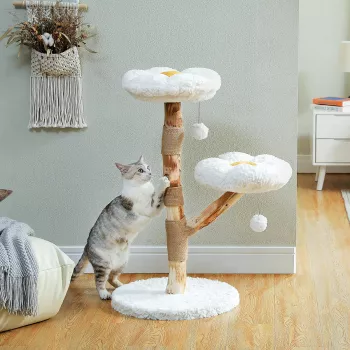
If you want a ready-to-go piece that delivers vertical enrichment without taking over the room, the Flower Cat Tree is a decorative, flower-themed option designed for lounging and scratching in a compact footprint. For best results, place it where your cat already likes to rest (often near a window) and use a simple treat-and-praise routine for the first few days.
More Pet-Friendly Picks
- Durable Silicone Slow Feeder Dog Bowl with Suction Cups (helps slow down fast eaters and stays put on smooth floors).
- Empower Your Inner Voice – A Practical eBook Guide (a general personal growth read for downtime while your pets nap).
FAQ
Is a flower-style cat tree sturdy enough for active cats?
Yes—when it has a wide base, solid posts, and hardware that’s tightened regularly. Place it on a level surface and add a non-slip mat if your flooring is slick.
How do you encourage a cat to use a new cat tree?
Start with treats on lower platforms, add a familiar blanket, and sprinkle a small amount of catnip on the scratching post. Reward climbing and scratching so the tree becomes a predictable “good things happen here” spot.
How often should a cat tree be checked or tightened?
Check weekly during the first month, then monthly. Tighten any loose bolts immediately and inspect for worn sisal or fraying toys.








Leave a comment