Solo Travel Confidence: Beat Fear, Plan Smart, Go
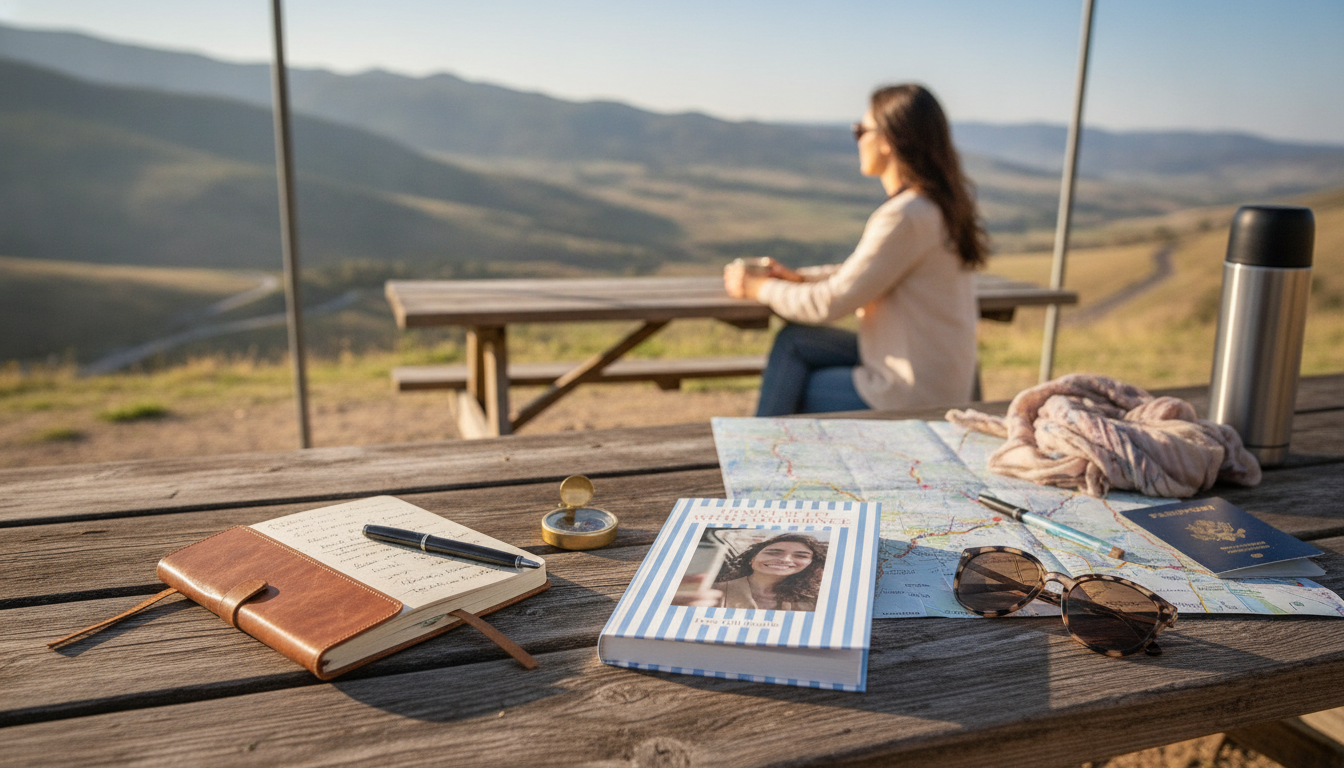
Travel Solo With Confidence: A Practical Guide to Overcoming Fear and Anxiety
Solo travel can feel thrilling and intimidating at the same time—especially when fear shows up as “what if” thoughts, safety worries, or the pressure to have everything figured out. Confidence isn’t a personality trait reserved for a few; it’s a set of skills that can be practiced before departure and reinforced on the road. The goal isn’t to eliminate anxiety—it’s to keep moving with clear, realistic steps that help you feel steady, capable, and in control.
Understand what fear is trying to protect
Fear often gets a bad reputation, but it’s usually trying to keep you safe. The problem is that it can treat every unknown like an emergency. Start by separating realistic risk (things that can truly happen) from perceived risk (things that feel scary but aren’t inherently dangerous).
- Realistic risk: a lost passport, getting sick, arriving late at night, missed connections.
- Perceived risk: being judged for eating alone, feeling awkward, sounding “wrong,” or making a small mistake.
Next, name the specific fear instead of letting it blur into a general sense of dread: navigation, safety at night, loneliness, language barriers, or “I won’t know what to do.” Then run a quick probability vs. impact check: “How likely is this?” and “If it happened, what would I do?” This keeps you from catastrophizing while still planning responsibly.
Finally, set a purpose for the trip that’s bigger than the fear—rest, curiosity, skill-building, independence, or proving to yourself that you can handle new environments. Purpose turns nerves into forward motion.
Build confidence before leaving: small reps that work
Confidence is built through repetitions, not pep talks. Give yourself small, low-stakes “wins” that mimic the feel of solo travel.
- Micro-solo outings: eat at a café alone, go to a museum, take a day trip using public transportation.
- Problem-solving scripts: rehearse how you’ll ask for directions, decline unwanted attention, or request help.
- A calm routine: pick 2–3 tools you can do anywhere—4–6 breathing, 5-4-3-2-1 grounding, a short walk, and hydration.
- Planning sprint: book the first two nights, map key transit points, and stop there so planning doesn’t become a new source of anxiety.
| Practice | How to do it | Confidence outcome |
|---|---|---|
| Solo meal | Eat at a casual spot; keep phone away for 5 minutes | Normalizes being alone in public |
| Navigation drill | Use maps to get to a new neighborhood and back | Reduces fear of getting lost |
| Boundary script | Say “No, thank you” + step away; repeat once | Builds safety and self-trust |
| Help request | Ask a staff member a simple question | Strengthens comfort seeking support |
Create a safety net without turning the trip into a checklist
A strong safety plan should feel like a seatbelt: supportive, not restrictive. Start with accommodations. Look for clear reviews, a location with easy transit access, and either 24/7 reception or straightforward self-check-in instructions.
- Share a simple itinerary: city, lodging, and key transit days with a trusted person. Pick a check-in rhythm (for example, “I’ll text when I’m back at my lodging each night”).
- Phone basics: download offline maps, save local emergency numbers, carry a medical info card, and keep a backup payment option.
- Arrival-day rules: arrive before dark when possible, keep day-one plans light, and learn the immediate area near your lodging (nearest grocery, pharmacy, transit stop).
For health and destination-specific guidance, check official resources like CDC Travelers’ Health and the U.S. Department of State International Travel pages.
Handle anxious thoughts on the road (in the moment)
If anxiety is a recurring issue in everyday life, it can also help to review practical mental health tools from trusted sources like the World Health Organization’s mental health overview.
Social confidence: meet people without forcing it
Common solo travel fears—and practical responses
| Fear | Early warning sign | Quick response | Long-term fix |
|---|---|---|---|
| Getting lost | Rushing, skipping signs | Stop; confirm location; ask staff | Practice navigation drills at home |
| Feeling unsafe | Hypervigilance, tension | Move to a busy area; call a ride; enter a shop | Choose safer lodging locations; arrival before dark |
| Loneliness | Dreading evenings | Go to a familiar café; join a tour | Schedule recurring social activities |
| Decision fatigue | Irritability, doom-scrolling | Pick one simple plan; eat; rest | Limit daily goals to 1–2 priorities |
A simple 48-hour confidence itinerary for the first city
A practical guide to keep in your bag
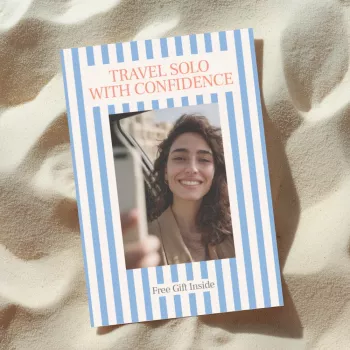
- Travel Solo With Confidence: A Practical Guide to Overcoming Fear and Anxiety for Solo Travelers — a step-by-step approach combining mindset tools, safety planning, and confidence exercises.
- Empower Your Inner Voice – A Practical eBook Guide on how to overcome self doubt, Build Confidence, and Strengthen Mindset for Personal Growth — helpful for strengthening self-trust, reducing self-doubt, and building a calmer inner dialogue that travels well.
FAQ
How can solo travel anxiety be reduced before the trip?
Do a few micro-solo outings, plan only the first steps (first two nights and an arrival plan), and rehearse simple boundary and help-request scripts. A repeatable calm routine (breathing, grounding, hydration) builds confidence through practice rather than perfection.
What should a solo traveler do if panic hits in a new place?
Pause and sit, slow your breathing, drink water, and reduce stimulation before making choices. Identify the next right step, move to a staffed public place if needed, and contact a trusted person if you need extra support.
Is it safe to travel alone for the first time?
It can be, depending on destination choices and habits: pick reputable lodging, arrive before dark when possible, share check-ins, stay aware of your surroundings, and trust your instincts. Safety improves quickly when you combine planning with simple, repeatable routines.






Leave a comment