16-Piece Nail Care Kit: At-Home Manicure & Pedicure
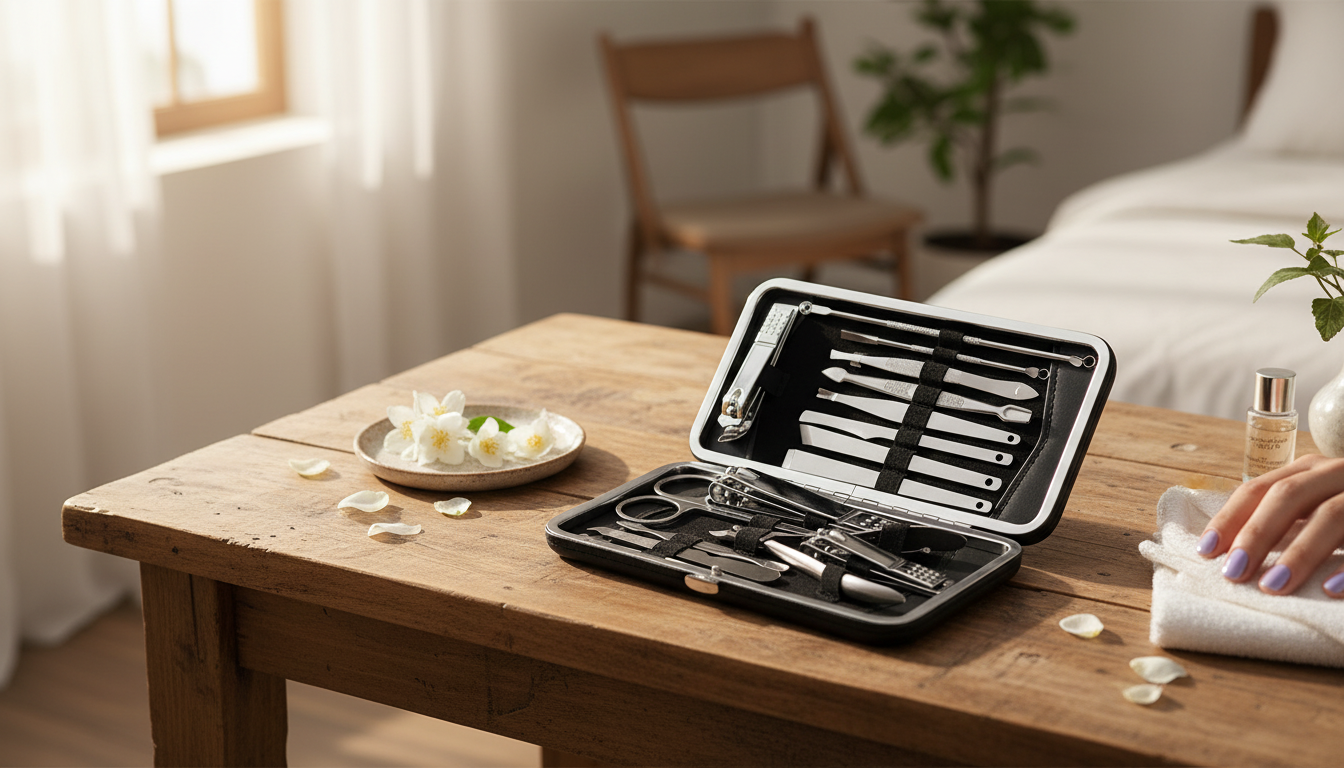
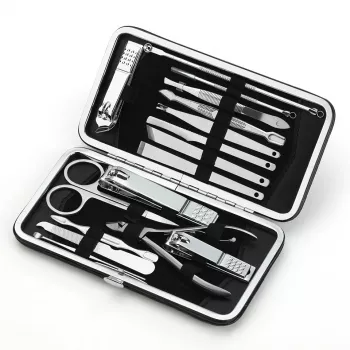
Complete 16-Piece Nail Care Kit for Manicure and Pedicure
A well-rounded nail kit makes regular grooming faster, neater, and more comfortable—whether it’s weekly maintenance or a quick fix before an event. A 16-piece set covers the core tools used for trimming, shaping, cuticle care, and detail cleaning so everything stays organized and ready to use at home, at work, or while traveling.
If you’re looking for a simple all-in-one option, see the Complete 16-Piece Nail Care Kit for Manicure and Pedicure, designed to keep the essentials together in a single case.
What’s Inside the 16-Piece Set
A complete kit typically includes essential trimming, shaping, cuticle, and grooming tools for both hands and feet. That mix matters because everyday maintenance (clean edges, smooth surfaces) often calls for different tools than detail work (cuticles, corners, hangnails). When everything is packaged in one case, it’s easier to keep tools together and reduce the chance of losing the smallest pieces.
Tool Guide: Common Pieces and What They’re Used For
| Tool | Best for | Quick tip |
|---|---|---|
| Nail clippers (various sizes) | Fingernails and toenails | Clip after bathing for easier cutting |
| Nail file / buffer | Shaping and smoothing | File in one direction to reduce splitting |
| Cuticle pusher | Gently pushing back cuticles | Use after softening cuticles with warm water |
| Cuticle nipper | Trimming loose cuticle and hangnails | Trim only dead skin—avoid live cuticle tissue |
| Cleaning pick / nail cleaner | Under-nail cleaning | Clean gently to avoid lifting the nail edge |
| Tweezers | Detail grooming | Wipe with alcohol before and after use |
| Scissors | Precision trimming | Use small snips for control rather than long cuts |
Why a Complete Kit Matters for Manicure and Pedicure
Using the right tool for each step makes nails look cleaner and helps avoid common issues like jagged edges, tearing, and irritated skin. Separate tools for trimming, shaping, and cuticle work help prevent rough edges and accidental snags—especially when you’re dealing with thicker toenails or dry cuticle areas.
A full set also reduces the temptation to improvise (like peeling hangnails or using random household scissors), which can lead to breaks or inflammation. With consistent tools and a consistent routine, results tend to look more even: smoother filing, cleaner cuticle lines, and nail lengths that match from finger to finger.
For general nail-care best practices, the American Academy of Dermatology Association offers practical guidance on healthy routines and habits: AAD nail care tips.
At-Home Manicure Routine (Simple, Clean Results)
A quick, repeatable manicure routine helps keep nails uniform and comfortable—without overworking the nail plate or surrounding skin.
- Prep: Wash hands, remove old polish, and soak fingertips briefly to soften cuticles.
- Trim: Clip nails to a comfortable length, then refine the shape with a file (round, squoval, or square).
- Cuticle care: Gently push back cuticles; trim only hangnails or detached dead skin with nippers.
- Finish: Lightly buff if desired, then apply moisturizer or cuticle oil to reduce dryness around the nail.
When buffing, keep it light and occasional—over-buffing can make nails feel thin. For more nail-strength basics (like minimizing breakage and dryness), Mayo Clinic’s overview is a helpful reference: Nail health tips for strong nails.
At-Home Pedicure Routine (Comfort + Neat Toenails)
Toenails benefit from a slightly different approach than fingernails. The goal is comfort, clean edges, and reducing pressure at the corners.
- Soften first: Soak feet in warm water to make trimming easier and reduce pressure on the nail.
- Trim straight across: Clip toenails without rounding deep into corners to help avoid ingrown edges.
- Smooth: Use a file to remove sharp corners and reduce snagging on socks.
- Detail care: Clean under the nail gently and keep the skin around nails moisturized to reduce cracking.
If you’re prone to corner irritation, focus on short, controlled clips and a gentle file pass on the edges—rather than cutting aggressively into the sides.
Cleaning and Storage for Long-Lasting Tools
Clean tools perform better, last longer, and reduce the risk of spreading bacteria or fungus. A simple routine is usually enough:
- Clean after each use: Remove debris, wash with soap and water when appropriate, and dry thoroughly.
- Disinfect metal tools: Wipe with 70% isopropyl alcohol; avoid soaking parts that may dull or loosen over time.
- Store in the case: Keeping tools enclosed protects edges and reduces exposure to dust and bathroom moisture.
- Don’t share personal tools: Sharing increases the risk of spreading skin and nail infections.
Basic hygiene habits matter, especially when tools contact skin. For broader infection-prevention guidance, the CDC’s hand hygiene resources are a solid baseline: CDC handwashing guidance.
Best Uses: Travel, Dorms, Office, and Gift-Ready Grooming
For a practical, gift-ready option that stays organized, the Complete 16-Piece Nail Care Kit for Manicure and Pedicure fits well into a basic self-care setup. If you’re building a small “care and comfort” gift bundle for someone who travels often, pairing nail essentials with a confidence-focused travel read like Travel Solo With Confidence: A Practical Guide to Overcoming Fear and Anxiety for Solo Travelers can make the gift feel personal and useful.
What to Look for in a Well-Rounded Nail Kit
FAQ
How often should nail tools be disinfected?
After every use. Remove debris, wash and dry when possible, then wipe metal tools with 70% isopropyl alcohol and store them completely dry.
Is it okay to cut cuticles with nippers?
Trim only loose, dead cuticle or hangnails. Avoid cutting living cuticle tissue, since it can increase irritation and the chance of infection.
How can toenails be trimmed to help prevent ingrown nails?
Clip straight across, avoid cutting too short, and gently file the corners rather than rounding deeply into the sides.










Leave a comment