Waffle Bamboo-Cotton Swaddle: Breathable Newborn Comfort
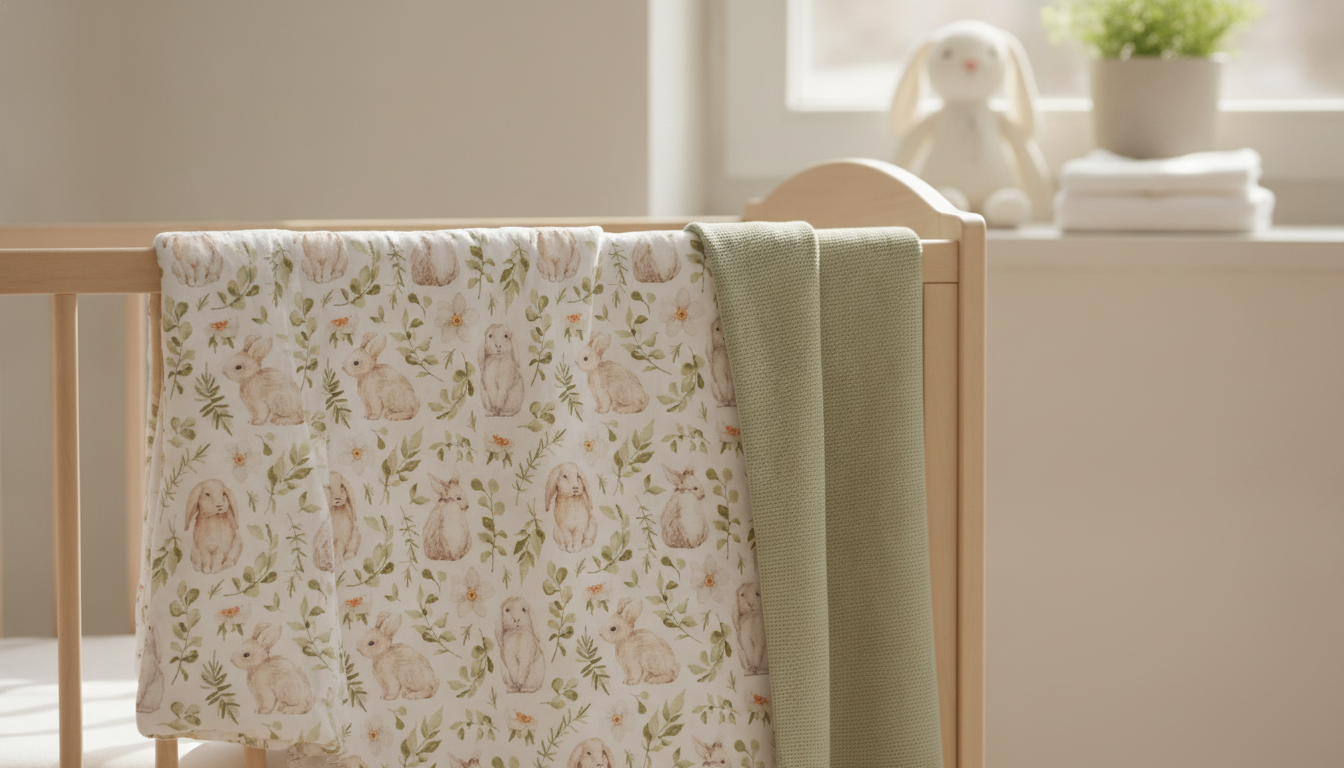
Waffle Bamboo Cotton Baby Swaddle Blanket: breathable comfort for everyday newborn care
A waffle-textured bamboo-cotton swaddle is made to feel soft, breathable, and flexible—qualities that matter when you’re swaddling in the early weeks, packing a diaper bag, or grabbing a lightweight layer for a quick nap on the go. The waffle weave adds gentle loft (so it doesn’t feel overly clingy), while a bamboo-cotton blend typically offers a smooth, cozy hand-feel with balanced warmth. Below are the practical details that help a swaddle stay in regular rotation, plus safe swaddling basics aligned with pediatric guidance. For more guidance, see The 5 Best Baby Blankets of 2023 – WonderBaby.org.
What makes a waffle bamboo-cotton swaddle different
Not all swaddles feel the same, even when they look similar on a shelf. The weave, blend, and size each change how it performs day to day. For further reading, see Balloons Baby Blanket | baby-blanket.org.
- Waffle texture adds airflow channels. The raised pattern creates small pockets of air and a gentle “lift,” which can feel less sticky against skin than some flat weaves.
- Bamboo-cotton blends balance softness and breathability. Many parents like the smoother feel bamboo fibers can provide, while cotton helps with structure and everyday durability.
- Stretch and drape influence comfort. A swaddle that naturally conforms can help you wrap securely without having to pull tight to get it to stay in place.
- Versatility depends on size and finish. A larger blanket can move beyond swaddling into stroller shade, a nursing cover, a burp/shoulder cloth, or a tummy-time layer.
At-a-glance: everyday uses and what to prioritize
A good swaddle earns its place because it adapts. One moment it’s for sleep; the next it’s a quick layer after a bath or a clean surface in a pinch. Match the setup to the moment: sleep, burping, travel, photos, or quick warmth after bathing.
For sleep use, prioritize a breathable feel and a secure (but not restrictive) wrap. For daytime use, prioritize easy folding, quick drying, and softness against sensitive skin.
| Use | Why it helps | What to prioritize |
|---|---|---|
| Swaddling for naps | Helps reduce startle reflex and supports settling | Breathable feel, enough size to wrap without over-tightening |
| Light blanket in stroller | Adds comfort without heavy layering | Airflow, easy tucking, quick check for overheating |
| Burp cloth or shoulder cover | Catches spit-up and protects clothing | Softness, absorbency, easy wash-and-dry routine |
| Nursing cover | Adds privacy while staying airy | Drape, lightweight feel, easy repositioning |
| Tummy time / play mat layer | Creates a clean, cozy surface | Texture comfort, easy to pack, washability |
Comfort and temperature: keeping baby cozy without overheating
Temperature comfort is about small adjustments and regular checks, not thick layering. Start with a light base layer (often a onesie), then add or reduce based on the room and how your baby is doing.
- Use baby’s cues instead of guessing. Check the back of the neck or chest for warmth and sweat rather than relying only on hands or feet, which can feel cooler.
- Waffle texture can add gentle insulation. The loft can help in mild-to-cool environments while still allowing airflow—useful when the house feels a little chilly but you don’t want a heavy blanket.
- Keep the sleep space clear. Avoid extra loose blankets around a sleeping baby; if swaddling, keep the blanket secured and away from the face.
For safe sleep guidance, refer to the American Academy of Pediatrics safe sleep recommendations at AAP.org.
Safe swaddling basics
A swaddle should feel secure without restricting natural movement or breathing. If you’re new to swaddling, focus on three basics: hip position, chest comfort, and timing the transition away from swaddling.
- Hip-friendly wrap: Allow room for legs to bend up and out. Baby’s hips should not be forced straight down or tightly together.
- Snug at the torso, not tight: The swaddle should stay in place, but baby should be able to breathe comfortably. Avoid compressing the chest.
- Stop swaddling when rolling begins: Traditional swaddling is not recommended once a baby shows signs of rolling; transition to an arms-free sleep option at that stage.
- Back is best: Always place baby on their back for sleep, and keep the sleep area free of loose items.
More detail on swaddling safety is available from the AAP via HealthyChildren.org: Swaddling: Is it Safe?
Care and durability: washing, drying, and keeping it soft
Gifting and registry notes
Product picks available now
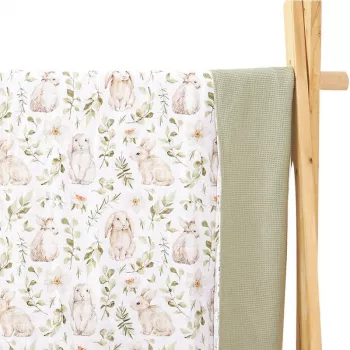
- Waffle Bamboo Cotton Baby Swaddle Blanket ($38.51) — waffle texture for airflow and gentle loft; designed for swaddling, stroller shade, nursing coverage, and light layering.
- Empower Your Inner Voice – A Practical eBook Guide on how to overcome self doubt, Build Confidence, and Strengthen Mindset for Personal Growth ($18.99) — a practical read for building steadier routines and confidence during demanding seasons.
- Travel Solo With Confidence: A Practical Guide to Overcoming Fear and Anxiety for Solo Travelers ($12.99) — helpful planning mindset strategies for travel days and transitions when you’re ready to get back out with more confidence.
FAQ
When should swaddling stop?
Stop swaddling when baby shows signs of attempting to roll. Transition to an arms-free sleep option at that stage and continue placing baby on their back for sleep per pediatric safe sleep guidance.
Is a waffle-textured swaddle good for warm weather?
It can be, since the waffle texture can promote airflow. Use lightweight base layers, monitor for overheating, and adjust based on room temperature and your baby’s comfort cues.
How do you keep a bamboo-cotton swaddle soft after washing?
Wash on a gentle cycle with mild detergent and avoid harsh additives. Air-dry or tumble dry low, and use occasional low-heat drying to help the waffle texture spring back.








Leave a comment