Calm Clothing Budget: Spend Smarter, Shop with Purpose
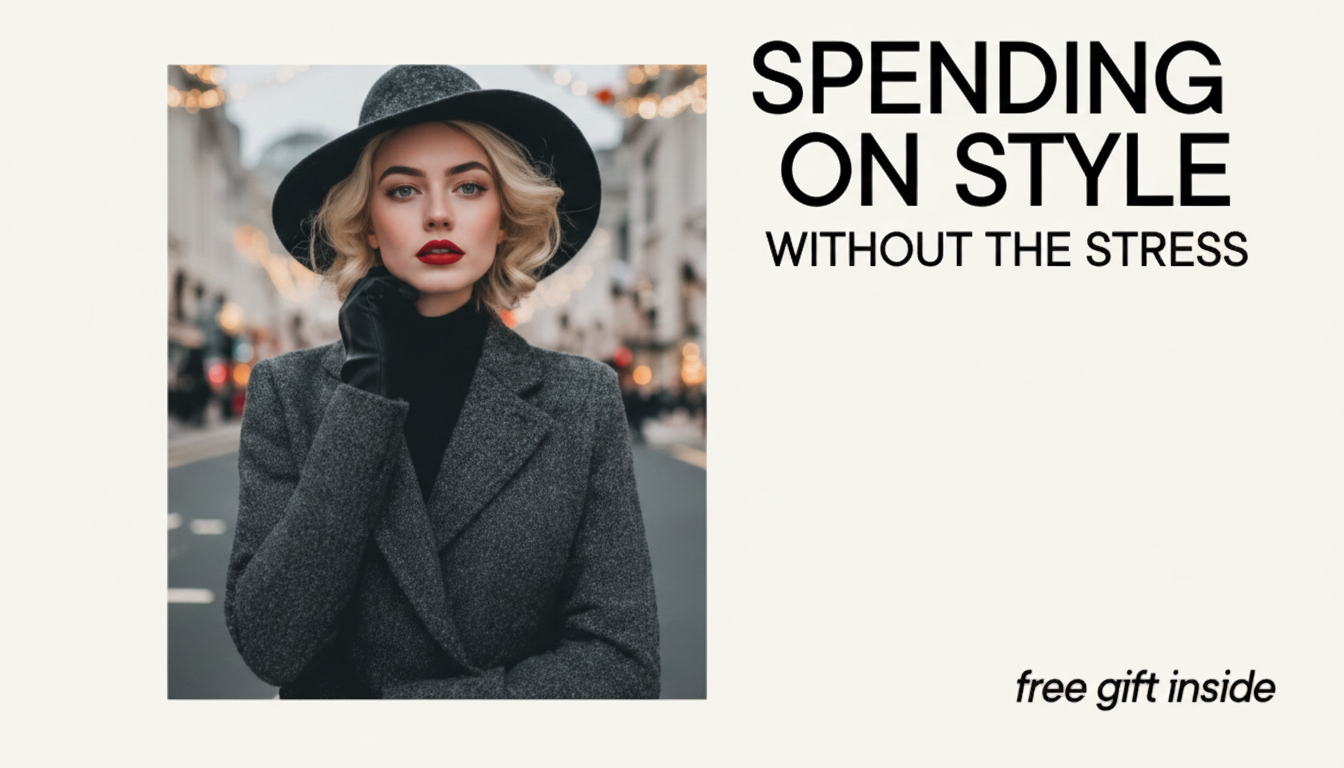
Spending on Style Without the Stress: Building a Clothing Budget for Freedom and Flexibility
A clothing budget should support real life: work, weekends, events, and the occasional refresh—without guilt or guesswork. With a few clear rules, spending becomes predictable, style decisions get easier, and the wardrobe grows in a way that feels intentional rather than reactive.
Start with the “why”: what the wardrobe needs to do
Before picking a number, define what you’re actually funding. A budget works best when it’s attached to specific needs instead of vague “shopping” categories.
- List your lifestyle zones: work, casual, fitness, events, travel, and weather needs (heat, rain, snow, office A/C).
- Choose 3–5 style priorities that will guide purchases: comfort, versatility, durability, trend play, minimalism, or easy-care fabrics.
- Identify friction points that trigger spending: “nothing to wear for meetings,” “basics wear out fast,” or “impulse sale buys.”
- Set one 90-day goal: replace worn essentials, build 2–3 outfit formulas, or add one statement piece you’ll wear repeatedly.
Find the number: a realistic monthly clothing budget
A realistic budget starts with your non-negotiables. Clothing should never compete with essentials or your emergency fund.
- Start from income and obligations: monthly take-home pay, fixed bills, debt payments, and savings goals.
- Pick a monthly clothing allowance that fits comfortably after necessities and planned savings.
- If spending is seasonal, smooth it out: choose an annual amount and divide by 12 so winter coats and summer weddings don’t blow up one month.
- Include all related costs: shoes, accessories, tailoring, dry cleaning/laundry upgrades, replacements, and return shipping if it’s common.
- Add an “occasion buffer” line for interviews, uniforms, weddings, or outerwear.
If you need a broad reference point, the U.S. Bureau of Labor Statistics Consumer Expenditure Surveys can provide context on how households typically allocate spending—then you can adjust based on your priorities.
Track the past to stop repeating it
Budgeting gets easier when it’s based on your actual patterns instead of best intentions.
- Review the last 3–6 months of transactions for clothing, shoes, and related services.
- Group purchases into: essentials, upgrades, trend/experimental, replacement, and didn’t wear.
- Spot patterns: stress shopping, sale-driven buys, duplicates, or sizing experiments that fail.
- Pick one rule that patches the biggest leak (example: no browsing when bored; shop with a list only).
A flexible budget method that still feels freeing
The goal isn’t to make shopping miserable—it’s to remove the financial “surprises” and reduce closet regret.
- Use a two-bucket system: “Core” for essentials and “Fun” for personality pieces.
- Keep it simple: one monthly transfer into a dedicated clothing account or cash envelope.
- Allow rollovers: skipping a month becomes a win that funds a better purchase later.
- Add a 24–72 hour pause rule for non-urgent items to cut impulse buys.
- Try a “one-in, one-out” guideline if closet space is tight (especially for jackets, jeans, and shoes).
For a clear structure, a step-by-step guide can help turn these rules into a repeatable routine: Spending on Style Without the Stress: How to Create a Clothing Budget for Freedom and Flexibility.
Budgeting decisions made easier with a cost-per-wear check
Price matters, but cost-per-wear is what keeps the budget aligned with real life. A higher price can be a better deal if the item becomes a weekly staple.
- Estimate how many times you’ll wear an item in the next 12 months based on your lifestyle zones.
- Compare options by cost per wear, not just the sticker price.
- Prioritize quality for frequent-wear items: shoes, coats, denim, everyday bags, and work staples.
- Save on limited-wear items: event outfits, micro-trends, and experimental colors/silhouettes.
Quick cost-per-wear worksheet
| Item | Price | Estimated wears (12 months) | Cost per wear | Buy now? |
|---|---|---|---|---|
| Work trousers | $90 | 30 | $3.00 | Yes if fit is excellent |
| Trend top | $35 | 5 | $7.00 | Only if it completes 2+ outfits |
| Everyday sneakers | $120 | 60 | $2.00 | Yes if comfortable/durable |
| Event dress | $150 | 3 | $50.00 | Consider rental or resale plan |
Build a shopping list that prevents closet clutter
Clutter usually comes from shopping without a plan. A list keeps spending targeted and makes outfits easier to assemble.
Make room for style upgrades without overspending
When spending feels emotional: simple guardrails
If mindset is the missing piece—especially around confidence and decision fatigue—this guided resource can pair well with practical budget rules: Empower Your Inner Voice – A Practical eBook Guide on how to overcome self doubt, Build Confidence, and Strengthen Mindset for Personal Growth.
A ready-to-use plan: 30 days to calmer clothing spending
For a simple baseline budget framework that many people adapt to their lifestyle, the CFPB overview of the 50/30/20 approach can help you place clothing inside a bigger plan.
A guided option for setting up the budget and rules
FAQ
How much should be set aside each month for clothing?
Review the last 3–6 months of spending, then set a monthly cap that still protects savings and essentials. If spending is seasonal, choose an annual amount and divide by 12, and remember to include shoes, accessories, tailoring, and cleaning costs.
How can impulse shopping be reduced without feeling restricted?
Use guardrails that add a little friction: a 24–72 hour pause, shopping only from a list, unsubscribing from promo emails, and setting a “needs a plan” threshold for higher-cost buys. When the urge hits, try building outfits from what you already own before purchasing anything new.
Is it better to buy fewer high-quality items or more budget pieces?
A hybrid approach usually works best: invest in high-wear staples where cost-per-wear drops quickly, and save on low-wear trends or occasion items. Fit and comfort should decide the purchase, and resale/secondhand can help you access quality without overspending.












Leave a comment