Clean Pets, Calm Home: Easy Fur & Odor Control Routines
Clean Pets, Calm Home: Simple Fur-Control Routines That Keep Your Space Fresh
Pet hair, tracked-in dirt, and lingering odors can make a home feel chaotic fast—even with the best intentions. A calmer space usually comes from small, repeatable routines that match the realities of shedding seasons, muddy paws, and busy schedules. The goal isn’t perfection; it’s keeping fur, dander, and mess from “spreading out” and turning into an all-day project.
What makes a home feel “calm” with pets
A calm pet home is less about spotless floors and more about predictability. A few short tasks done often beat occasional deep cleans that fall behind and feel overwhelming.
- Focus on repeatable rhythms: 5–10 minutes daily keeps hair and clutter from compounding.
- Reduce friction: store tools where messes happen (entryway, living room, feeding or litter area).
- Create “pet zones” and “no-pet zones”: boundaries limit how far hair, litter, and dander travel.
- Prioritize cleaner air: dander and odor buildup often create more stress than visible fur.
Fur control basics: stop hair before it spreads
Fur control works best when it starts at the source. When shedding ramps up, prevention saves more time than any single cleaning gadget.
- Brush strategically: short daily brushing during peak shedding can dramatically reduce what lands on floors and furniture.
- Use washable layers: throws on couches, launderable pet bed covers, and washable entry rugs trap hair and debris so it doesn’t migrate.
- Choose the right tools: rubber brooms for hard floors, lint rollers or pet hair rakes for upholstery, and microfiber cloths for quick pickup.
- Vacuum with intention: slow passes on rugs and along baseboards capture “rafts” of hair that fast passes miss.
- Remember the air: a HEPA air purifier in the most-used room can cut airborne dander and make odors feel less persistent over time.
For general pet-health and home-hygiene guidance, the CDC’s resource hub is a solid reference: CDC: Healthy Pets, Healthy People.
A cleaning rhythm that doesn’t feel like a second job
A sustainable routine has two layers: a minimum baseline for busy days and a longer “reset” window when you have more time. The trick is attaching tasks to habits that already happen—after feeding, after the last walk, or right before downtime—so the routine runs on autopilot.
- Build a minimum routine (5–10 minutes): keep it short enough that it actually happens.
- Tie chores to daily anchors: wipe the feeding area after meals, sweep pet zones after the last walk, and do a quick couch pass before relaxing.
- Use a “one-basket reset”: gather toys, blankets, grooming tools, and loose items fast—without trying to perfectly organize them.
- Keep pet-safe spot cleaner ready: accidents and muddy paws are easier to fix immediately than after they set.
Quick Pet-Home Cleaning Routine (Daily to Monthly)
| Frequency | Time | Tasks | Best tools |
|---|---|---|---|
| Daily | 5–10 min | Shake out throws, wipe paw prints at entry, spot-sweep fur tumbleweeds, refresh water bowls area | Microfiber cloth, pet wipes/towel, small broom or rubber broom |
| 2–3×/week | 15–25 min | Vacuum high-traffic lanes and pet zones, wipe crate/bed area, clean litter scatter zone or feeding mat | Vacuum, upholstery tool, enzymatic cleaner, washable mat |
| Weekly | 30–60 min | Full vacuum + mop (pet-safe), wash throws/bed covers, clean toys that collect drool/dirt, wipe baseboards | HEPA vacuum, mop, laundry, mild detergent |
| Monthly | 60–90 min | Deep clean upholstery, wash curtains or slipcovers if needed, replace HVAC filters (as appropriate), check odor hotspots | Upholstery cleaner, lint remover, filter replacements |
Room-by-room priorities (where effort pays off most)
Not all rooms create the same mess. Concentrate effort where pets “enter,” “rest,” and “eat,” and the rest of the home stays easier to maintain.
Entryway
Living room
Kitchen and feeding area
Use a washable mat under bowls and wipe nearby cabinet fronts and walls where splashes and pet oils accumulate. If feeding time is messy, consider a bowl that slows gulping and reduces slosh—like the Durable Silicone Slow Feeder Dog Bowl with Suction Cups—so cleanup stays smaller and more predictable.
Bedrooms
Litter area (cats)
Odor control without harsh chemicals
For safety around cleaners and common household toxins, consult: ASPCA: Household Hazards.
Creating a calm home routine that pets tolerate
For broader pet-care resources and best practices, the American Veterinary Medical Association (AVMA) is a reliable place to start.
A ready-to-follow plan for fur, floors, and a calmer feel
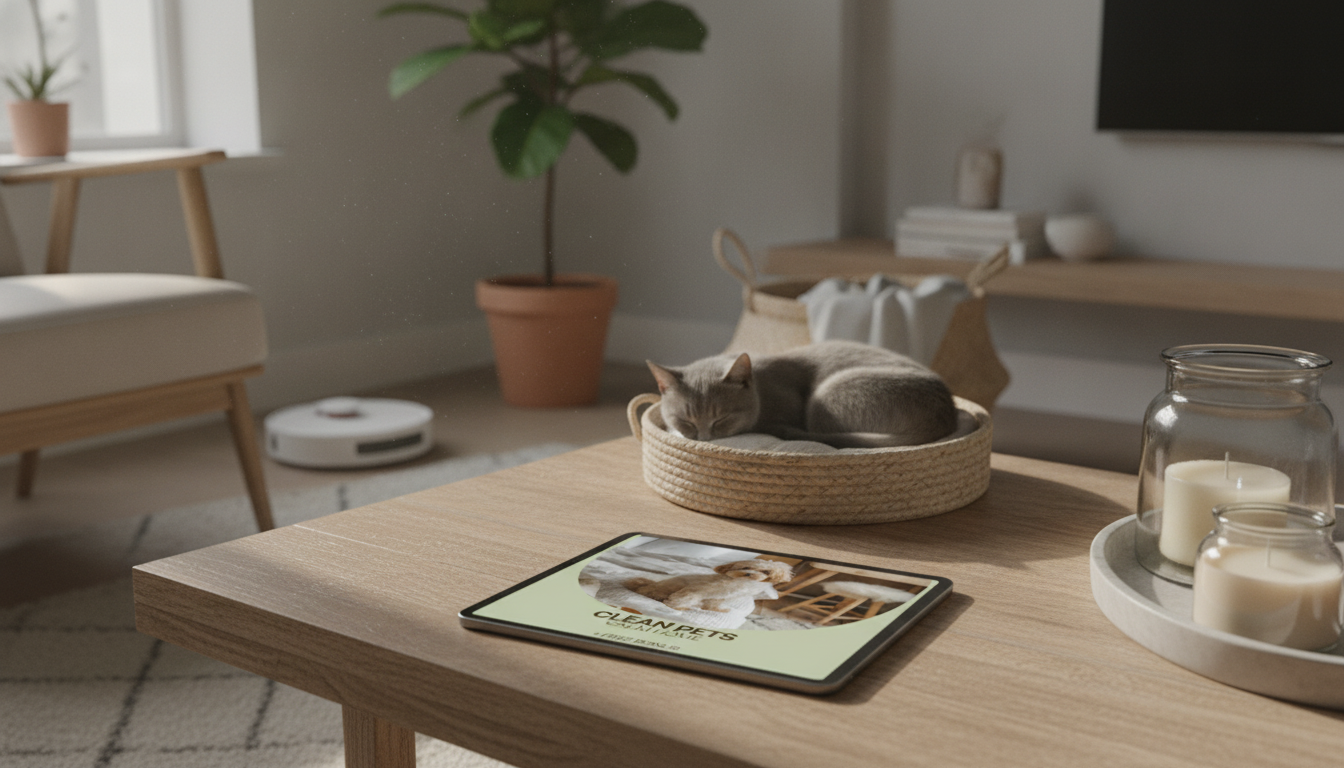
When schedules get packed, it helps to have a structured routine that spells out what to do, when to do it, and where to focus first—especially in small spaces, carpeted homes, or multi-pet households. For checklists, focus areas, and realistic schedules you can follow on autopilot, use Clean Pets, Calm Home | Pet Cleaning Guide eBook (Digital Download).
FAQ
How often should a pet home be vacuumed to keep fur under control?
Most pet homes do best with vacuuming 2–3 times per week in high-traffic lanes and pet zones, with daily spot pickups for visible “tumbleweeds.” During heavy shedding or with carpets, a quick daily pass in the main rooms can keep fur from embedding and spreading.
What’s the best way to remove pet odor from carpets and upholstery?
Remove the source first: blot moisture, then use an enzyme-based cleaner for organic messes so odors don’t rebound. Wash removable covers/throws regularly and deep-clean carpets or upholstery when smells persist, avoiding harsh chemicals that aren’t pet-safe.
How can cleaning routines be calmer for pets that fear vacuums or loud noises?
Use short, predictable sessions at the same time each day and gradually increase duration as your pet relaxes. Quieter tools, a separate “safe room,” and pairing cleaning with a chew or puzzle toy can reduce fear and help routines feel normal.











Leave a comment