Emergency Fund vs Sinking Fund: Build Both, Stress Less

Emergency Fund vs. Sinking Fund: Why You Need Both
Two savings tools solve two different problems: sudden surprises and planned expenses. An emergency fund is built for the “didn’t see that coming” moments that threaten your basics, while a sinking fund is designed for expenses you can predict—even if the exact total isn’t perfect yet. Setting up both (with a clear purpose, target amount, and funding rhythm) can reduce stress, prevent debt, and keep your goals intact when life gets expensive.
The Core Difference: Surprise vs. Scheduled
An emergency fund covers unexpected, urgent costs that could derail your financial stability—think job loss, an unplanned medical bill, or a car repair you need to get to work. A sinking fund covers expected costs that arrive on a known timeline, such as insurance premiums, holiday gifts, property taxes, or annual memberships.
When the two get mixed together, predictable bills often “steal” money meant for true emergencies. The result is a frustrating cycle: the calendar turns, a known expense hits, and the only available cash is the fund that was supposed to protect you from the unknown.
Emergency Fund: What It’s For and How Big It Should Be
Emergency funds are for events that are both urgent and unavoidable—expenses where waiting would risk your health, housing, or income. Common use-cases include income disruption, necessary medical expenses, urgent home or vehicle repairs, and last-minute travel for a family emergency.
How much should you save?
A practical approach is to build in stages. Many households start with a fast “starter cushion” of $500–$1,000. After that, expand toward 3–6 months of essential expenses. If your income fluctuates (commission, freelancing, seasonal work), a larger buffer can make sense because your “normal” month isn’t always predictable.
Define essential expenses clearly
To set your target, list the bills you must pay to keep life stable: housing, utilities, groceries, insurance, minimum debt payments, and necessary transportation. This number is your baseline for a month-based emergency fund goal.
Where to keep it
Emergency funds work best in a safe, liquid account where the value won’t swing and cash is available quickly—often a high-yield savings account. If you’re comparing banks, it’s also worth understanding how deposit insurance works (see the FDIC’s deposit insurance overview).
Sinking Funds: Categories That Prevent Budget Blowups
Sinking funds are your defense against “predictable surprises”—the expenses you know are coming, but that still cause stress if you don’t plan ahead. Instead of relying on credit or draining your emergency savings, you set aside small amounts over time.
Good starter categories
Start with 3–5 categories that routinely cause friction in your budget: car maintenance, home maintenance, annual subscriptions, gifts, travel, back-to-school, or pet care. Fewer categories are easier to manage, and you can always add more later.
How to calculate your monthly contribution
Keep categories separate
Improve accuracy over time
Side-by-Side Comparison (When to Use Which)
| Feature | Emergency Fund | Sinking Fund |
|---|---|---|
| Purpose | Protects against unexpected financial shocks | Prepares for planned or recurring expenses |
| Timing | Unpredictable | Known or anticipated timeframe |
| Examples | Job loss, urgent medical bill, essential car repair | Car tires, insurance premiums, holiday gifts, annual fees |
| Target size | Starter cushion then 3–6 months essentials | Cost of each goal by its due date |
| Best storage | Highly liquid, low risk | Liquid; can be separated by buckets/categories |
| Rule of thumb | Don’t use for predictable bills | Don’t use for true emergencies |
A Simple System to Build Both Without Feeling Overwhelmed
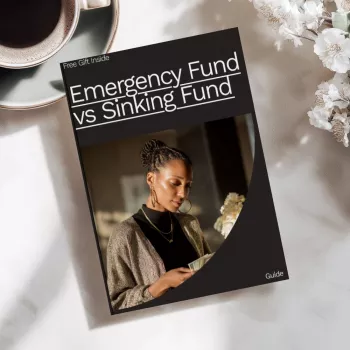
Step 1: Start with a quick emergency cushion. Aim for a small win ($500–$1,000) so one unexpected bill doesn’t turn into credit card debt. If you want a structured walkthrough to set targets, categories, and a repeatable schedule, consider Emergency Fund vs Sinking Fund: The Ultimate Guide to Managing Your Money Wisely.
Common Mistakes and How to Avoid Them
Using credit as the backup plan. Interest charges can wipe out progress fast. Even modest savings can reduce how often you rely on high-cost debt. For additional guidance on building emergency savings habits, the Consumer Financial Protection Bureau’s emergency savings resources are a solid reference.
Putting It Into Practice with a Money Plan You Can Follow
Review quarterly to align with life changes (moving, a new job, a different commute, a new car, updated insurance premiums). If mindset and follow-through are your biggest obstacles, pairing a clear plan with confidence-building habits can help; Empower Your Inner Voice – A Practical eBook Guide on how to overcome self doubt, Build Confidence, and Strengthen Mindset for Personal Growth is a practical option for strengthening the routine side of money management.
For travel goals that tend to spike spending, a dedicated travel sinking fund can keep fun plans from turning into financial regret. If solo travel is on the horizon, Travel Solo With Confidence: A Practical Guide to Overcoming Fear and Anxiety for Solo Travelers pairs well with a travel category and a clear monthly contribution.
FAQ
Should an emergency fund or sinking fund come first?
Start with a small emergency cushion for immediate stability, then fund the most predictable near-term sinking expenses while gradually expanding the emergency fund to a month-based target.
How many sinking funds should exist at once?
Begin with a few high-impact categories (3–5), then add more only when the monthly funding feels sustainable and the categories reflect real upcoming costs.
Where should these funds be kept so they’re accessible but not too easy to spend?
Use a liquid, low-risk savings option; separate buckets or sub-accounts help reduce accidental spending while keeping access for true needs.









Leave a comment