Fender Bender: When to Call Police (Driver Checklist)
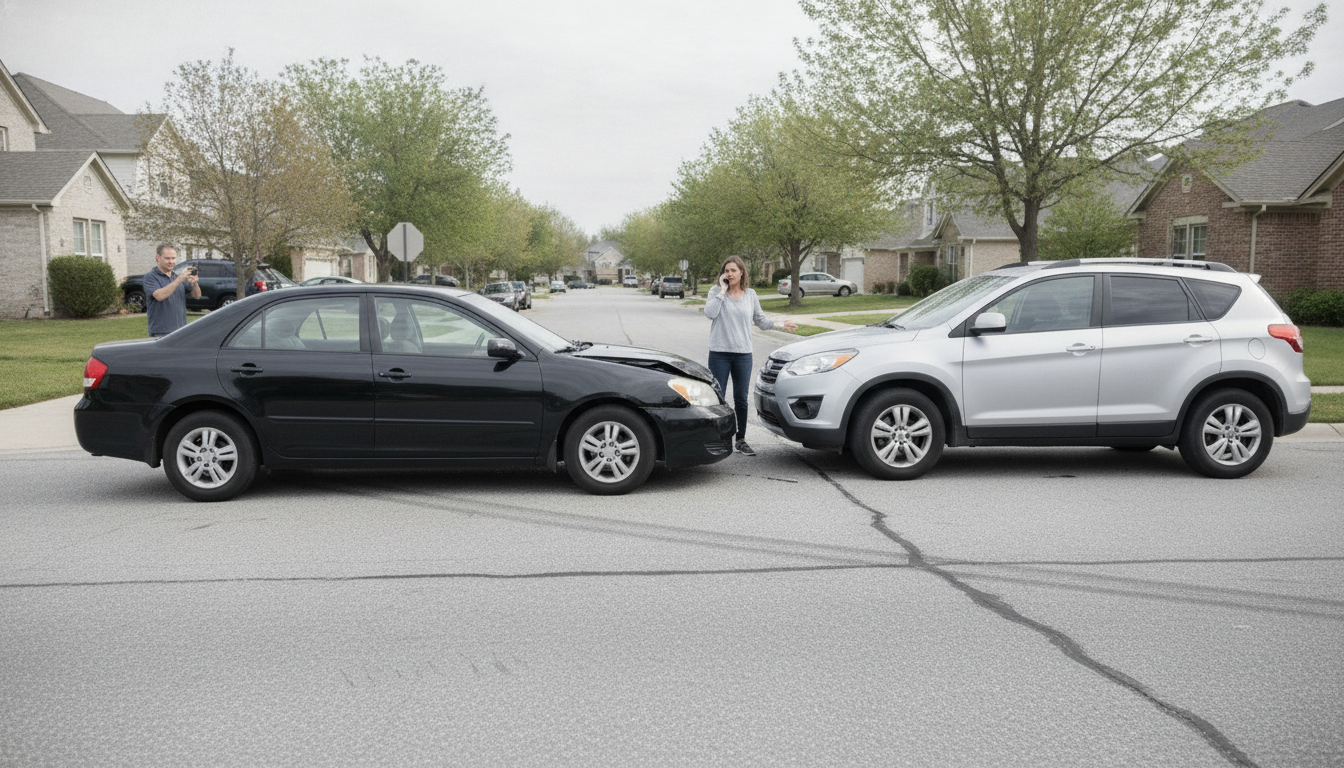
Should I Call Police for a Fender Bender? Essential Checklist for Drivers
A minor crash can still create major headaches if the next steps are unclear. The right call depends on safety, cooperation, hazards, and local reporting rules—not just how small the dent looks. Use the checklist below to decide when to involve police, how to document the scene, and what to do afterward to protect safety, insurance claims, and legal obligations.
First priority: safety and scene control
- Get out of danger. If the vehicles are drivable and it’s legal to move them, pull into a nearby parking lot or shoulder. Turn on hazard lights; set out cones/triangles if you have them.
- Check for injuries. Ask drivers, passengers, and any pedestrians if they’re hurt. If anyone feels pain, dizziness, numbness, or looks pale/shaky, call emergency services right away.
- Scan for secondary dangers. Watch for leaking fluids, smoke, traffic blind spots, speeding drivers, debris in lanes, and low visibility (rain, fog, nighttime glare).
- Stick to facts. Don’t admit fault or argue. Focus on safety, exchanging information, and documenting what you see.
When calling police is the safest choice
- Any injury or suspected injury, even if it seems minor at first. Symptoms can show up later.
- Hit-and-run or uncooperative drivers, including anyone uninsured, refusing to share ID/insurance, or giving suspicious information.
- Impairment concerns (alcohol, drugs, extreme confusion). If you feel threatened, call emergency services.
- Traffic hazards such as blocked lanes, dangerous debris, or situations where traffic control is needed.
- Disputes or hostility about what happened, or any scene that feels unsafe.
- Damage to public or private property (guardrails, signs, fences, buildings, parked cars) where formal documentation is often expected.
When a police report may be required (and how to confirm)
- State rules vary. Many states require reporting when damage exceeds a certain dollar amount or when there are injuries—regardless of fault.
- If you’re unsure, call the non-emergency line and ask whether an officer will be dispatched or if an online/self-report is appropriate.
- If an officer can’t respond, ask for next steps: a call reference number, a case number, or instructions for filing later.
- Write down the jurisdiction and incident number (city/county/state). That detail helps when you talk to insurers or need to reference the event later.
Quick decision guide for common fender-bender situations
| Situation | Call police now? | What to do next |
|---|---|---|
| Someone feels pain, dizzy, or shaken | Yes | Call emergency services; do not move injured people unless necessary for safety; take photos when safe |
| Other driver won’t share insurance/ID | Yes | Call non-emergency (or emergency if threatened); photograph plates and vehicle; wait in a safe place |
| Minor damage, both drivers calm, safe location | Maybe | Confirm local reporting rules; exchange info; document thoroughly; consider filing an online report |
| Vehicles blocking a lane or hazardous debris | Yes | Call for assistance; if safe and legal, move vehicles out of traffic; use hazards |
| Hit-and-run | Yes | Call immediately; note direction of travel, plate, make/model; look for witnesses/cameras |
| Damage to guardrail, sign, fence, or parked car | Usually | Notify police/owner; document property damage; collect location details |
What to say when calling the police (non-emergency or emergency)
If police do not respond: documentation that still protects you
If you want a one-page reference you can keep on your phone or print for your glove box, see Essential checklist for deciding whether to call police after a fender bender.
Insurance and repair steps after the scene is cleared
- Notify your insurer promptly. Provide photos, the incident/call reference number (if any), and the other driver’s details. The Insurance Information Institute also outlines common claim steps and what to keep for your file.
- Get checked if symptoms appear later. Soreness and headaches can take hours (or days) to show up. Document symptoms and appointments.
- Be careful with cash “handshake” settlements. A bumper cover can look fine while mounts, sensors, or reinforcement structures are damaged. If you settle, get the agreement in writing and keep copies.
- Consider an inspection even when damage looks minor. Parking sensors, blind-spot sensors, and clips can be impacted without obvious external cracking.
- Save every record. Towing, storage, rental, repair estimates, parts lists, and all communications with insurers or the other driver.
For general accident guidance and what information to collect, refer to USA.gov — What to do in a car accident. For broader roadway safety resources, the National Highway Traffic Safety Administration (NHTSA) is a trusted reference.
Common mistakes that create bigger problems
Helpful digital guides you can keep handy
- Should I Call Police for a Fender Bender? | Essential Checklist for Drivers ($5.99)
- Empower Your Inner Voice – A Practical eBook Guide on how to overcome self doubt, Build Confidence, and Strengthen Mindset for Personal Growth ($18.99)
- Travel Solo With Confidence: A Practical Guide to Overcoming Fear and Anxiety for Solo Travelers ($12.99)
FAQ
Do I have to call the police for a minor fender bender?
Not always; it depends on injuries, safety hazards, property damage, driver cooperation, and local reporting laws. When in doubt, call the non-emergency line to confirm whether a report is required or if an online/self-report is acceptable.
What if the other driver asks not to involve police or insurance?
Stay calm and document everything anyway, including photos and all identifying/insurance details. If the driver refuses to share information, seems impaired, or local rules require reporting, contacting police (or filing a report) is the safer choice.
Can I file a police report later if officers won’t come to the scene?
Often yes—many jurisdictions allow online reporting or a station visit, and you can request a call reference number when you first contact dispatch. Check local deadlines and keep your photos, notes, and witness information for your insurer.










Leave a comment