Keep the Travel Feeling Alive at Home (No Trip Needed)
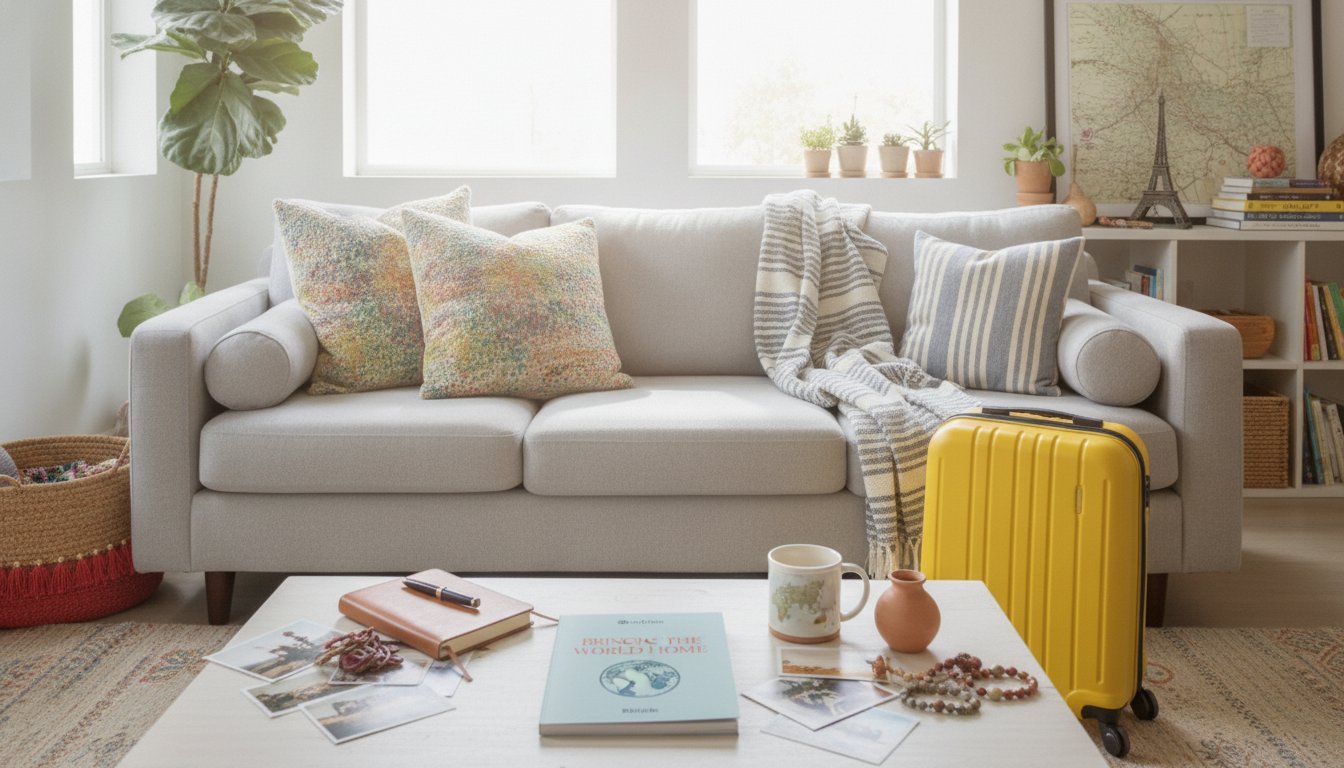
The best parts of travel aren’t only the miles covered—they’re the sensory details, small rituals, and mindset shifts that make ordinary days feel expansive. The good news: those feelings are portable. With a few intentional cues—sound, scent, food, movement, and connection—home can feel wider, calmer, and more alive, even when your calendar says “no trips.”
Start with a “travel mood map” for home
Pick one or two places that left a strong imprint on you (or places you’re planning for). In a note on your phone or a notebook, list what you remember most: the street sounds, the morning rhythm, the colors, the textures, the tiny habits that made the days feel different.
Then translate each place into a simple plan with three pieces: one sensory cue (music or scent), one repeatable ritual (a drink, a walk, a market stop), and one social element (a conversation topic, a meetup, a class). Keep the scope small on purpose—15 to 30 minutes is long enough to shift your mood and short enough to actually happen.
Travel feeling at home: quick swaps that work
| Travel moment | What it gives | At-home version | Time needed |
|---|---|---|---|
| Morning café routine | A sense of discovery and calm | Try a new local café weekly or make one “signature” drink at home with a playlist | 10–30 min |
| Wandering a new neighborhood | Novelty and light exercise | Choose an unfamiliar area and walk without a strict route; take 5 photos | 30–60 min |
| Market browsing | Sensory inspiration | Visit a farmers market/international grocery; buy one unfamiliar item | 30–45 min |
| Hearing the city at night | Atmosphere and mood shift | Play ambient city recordings, dim lights, and open a window for fresh air | 10–20 min |
| Learning local phrases | Connection and confidence | Practice 5 phrases daily; label 10 objects at home with sticky notes | 5–15 min |
Build travel rituals into ordinary days
Travel feels different partly because it has built-in transitions: you “depart,” you explore, you return. Recreate that at home with a short “departure ritual” that flips your brain from work mode to curiosity mode—change shoes, grab a small notebook, and pick a playlist before you step outside or start a new activity.
Make your home feel like a lived-in gallery of places
Design one corner as a repeatable escape: a chair, a warm lamp, a throw, a favorite book stack, and a single scent that anchors the mood (citrus, cedar, incense, or sea salt). Sound helps, too: create one playlist per place and play it while you cook, tidy, or wind down. When stress is high, a consistent sensory routine can support recovery; the American Psychological Association’s overview of stress is a helpful reference for understanding how your body responds and why calming rituals matter (APA: Stress—The Different Kinds of Stress).
Eat and drink like you’re away—without making it complicated
For a low-lift gathering, host a tasting night with one drink, one snack, and one story. Put music on, keep the portions small, and let the vibe do the heavy lifting. If you want a ready-to-use set of prompts and routines, Bringing the World Home: How to Keep the Travel Feeling Alive at Home – eBook Guide is designed for simple repetition rather than one-time “theme nights.”
Turn your city into a personal destination with micro-adventures
Schedule a monthly “tourist day.” Make it a four-part loop: a museum or cultural stop, a neighborhood walk, one landmark you normally ignore, and a meal in a part of town you rarely visit. Museums are especially good at creating that “I’m somewhere else” mental state because they interrupt routine and invite focused attention (Smithsonian: Visiting Museums and Learning).
Keep the travel mindset alive: curiosity, presence, and connection
Language learning works the same way—tiny daily bites create a sense of movement toward future trips. Five minutes is enough to build momentum. If you’re building confidence for future adventures (especially solo), Travel Solo With Confidence: A Practical Guide to Overcoming Fear and Anxiety for Solo Travelers pairs well with at-home practice because it turns nervous energy into doable steps.
Finally, bring the “meet people” part of travel into daily life: cultural festivals, language exchanges, cooking classes, and community gatherings connected to places you love. A simple gratitude habit can also soften the post-trip crash and reframe longing into appreciation and curiosity (Greater Good Magazine: Gratitude). For mindset support beyond travel, Empower Your Inner Voice – A Practical eBook Guide on how to overcome self doubt, Build Confidence, and Strengthen Mindset for Personal Growth can help make the inner shift feel sustainable.
A practical guide to make it stick
If you want a step-by-step plan with prompts, routines, and ready-to-use ideas, start with Bringing the World Home: How to Keep the Travel Feeling Alive at Home – eBook Guide.
FAQ
How can the travel feeling be recreated at home without spending much money?
Use free or low-cost cues: playlists, neighborhood walks, journaling, and “first-day rules.” Add one new grocery ingredient occasionally and explore public spaces—parks, markets, galleries—to create novelty without a big budget.
What if travel memories make returning home feel depressing?
Go gently: use small rituals, connect with community, and make a simple plan for the next future trip to turn longing into direction. Grounding practices (like slow noticing) and a short gratitude habit can help shift the feeling from loss to appreciation.
How often should travel-at-home routines be done to actually feel a difference?
Aim for two to three small moments per week plus one monthly micro-adventure. Consistency matters more than intensity, so keep each ritual easy enough that you’ll repeat it.










Leave a comment