Restorative Sleep Ritual for Glowing Skin, Hair & Nails
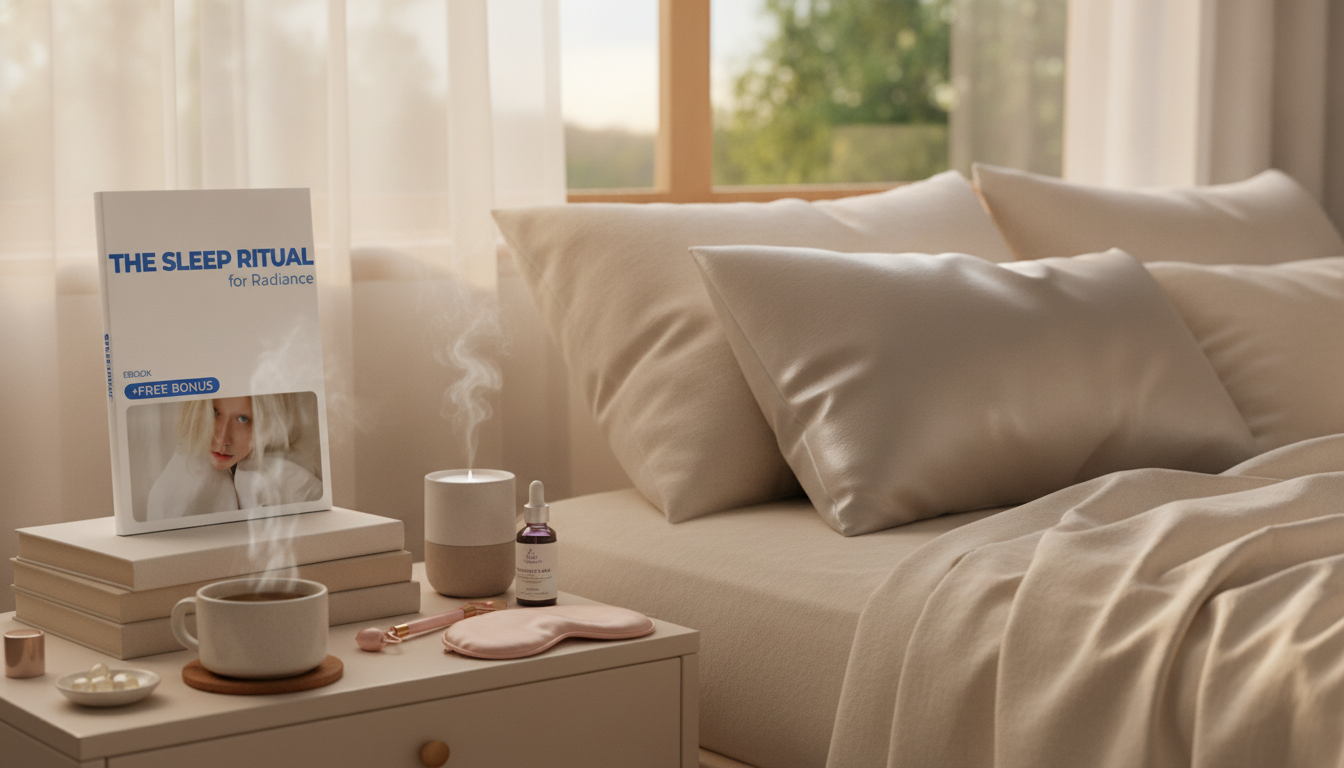
Restorative Sleep: The Overnight Reset for Skin, Hair, and Nails
Restorative sleep is one of the most reliable ways to support a brighter complexion, stronger hair, and healthier nails. A consistent nighttime rhythm helps the body shift into repair mode, balancing hydration, inflammation, and hormone signals that influence how skin looks and how hair and nails grow. Below is a practical evening-to-morning ritual that prioritizes deeper sleep, plus simple adjustments for common disruptors that can quietly steal your glow.
Why sleep changes skin, hair, and nails overnight
Sleep isn’t just “down time.” It’s when the body reallocates resources toward recovery and regulation—two things that show up quickly in appearance.
- Repair mode ramps up during deeper sleep stages. Overnight, the skin barrier works to recover, and the face often looks less puffy by morning when sleep is more continuous.
- Sleep loss can amplify stress signals. Poor or shortened sleep can elevate stress signaling and inflammation, which may show up as dullness, uneven tone, breakouts, or sensitivity.
- Hair follicles and nail matrices benefit from consistency. Growth cycles are long-term, but irregular sleep can compound shedding patterns and brittleness by disrupting recovery and nutrient delivery over time.
- Circadian rhythm influences oil, hydration, and scalp comfort. A steady sleep-wake schedule supports hormone timing that can affect oil production, moisture balance, and irritation thresholds.
For a helpful overview of how sleep works and what commonly disrupts it, see NIH MedlinePlus on sleep and sleep disorders. If you’re calibrating your target bedtime, the CDC sleep duration guidance is a practical reference point.
A 60-minute pre-sleep ritual that supports radiance
The goal is simple: reduce stimulation, lower stress load, and create repeatable cues that tell your brain “sleep is next.” If you do nothing else, keep the timing consistent. A predictable routine trains faster sleep onset and fewer wake-ups—both of which tend to show up on your face.
- 60–45 minutes before bed: Dim overhead lights; switch to warm lamps to cue melatonin timing.
- 45–30 minutes: Finish skincare and hair care gently; avoid harsh exfoliation late at night if you’re prone to redness.
- 30–20 minutes: Take a warm shower or bath—warming up helps the body cool afterward, which can make it easier to fall asleep.
- 20–10 minutes: Low-stimulation routine (stretching, light reading, breathing practice). Keep screens out of the bedroom when possible.
- Final 5 minutes: Set the room cool, dark, and quiet; use a consistent bedtime to lock in the rhythm.
Night routine checklist and what it supports
| Step | What to do | Radiance payoff |
|---|---|---|
| Light shift | Lower brightness; warm light only | Supports melatonin timing and a calmer skin stress response |
| Gentle cleanse | Remove makeup/sunscreen; lukewarm water | Helps barrier recovery and reduces overnight congestion |
| Moisture seal | Moisturizer or facial oil as tolerated | Improves morning softness and reduces tightness |
| Scalp/hair care | Loose braid or silk/satin wrap; avoid tight styles | Less breakage, less friction, smoother strands |
| Nail protection | Cuticle oil; avoid picking/biting cues | Reduces splitting and supports stronger growth |
| Wind-down | Breathing, stretch, journal, or reading | Faster sleep onset and fewer nighttime wakeups |
Daytime habits that make nights more restorative
Night routines work best when the daytime supports them. If your sleep feels “light” or restless, these are often the highest-impact adjustments.
- Morning light: Get 10–20 minutes of outdoor light soon after waking to strengthen circadian timing and nighttime sleepiness. For a deeper explanation, see NIGMS on circadian rhythms.
- Movement: Regular activity supports deeper sleep; if late workouts keep you wired, shift intense sessions earlier and keep evenings lighter.
- Caffeine cutoff: Many people do better stopping 8–10 hours before bed; test your “latest safe” time for coffee or pre-workout.
- Alcohol awareness: Alcohol can reduce sleep quality even if it helps with falling asleep; if you drink, aim for earlier timing and prioritize hydration.
- Balanced meals: Protein, fiber, and healthy fats help prevent late-night hunger that can lead to wake-ups and cravings.
Sleep environment upgrades for visible results
Small environmental upgrades can reduce micro-awakenings—brief disruptions you may not remember, but your skin and mood often “report” the next day.
Common sleep disruptors and simple fixes
A practical guide to The Sleep Ritual for Radiance
If you want a step-by-step structure that’s easy to repeat, The Sleep Ritual for Radiance: A Guide to Restorative Sleep for Glowing Skin, Hair, and Nails is designed to connect sleep quality with visible beauty markers—glow, smoothness, hair resilience, and nail strength.
Supportive reads for calming the mind before bed
- Empower Your Inner Voice – A Practical eBook Guide on how to overcome self doubt, Build Confidence, and Strengthen Mindset for Personal Growth (helpful when self-talk or stress keeps you up).
- Travel Solo With Confidence: A Practical Guide to Overcoming Fear and Anxiety for Solo Travelers (useful if anxiety spikes at night and you want practical coping tools).
FAQ
How many hours of sleep are needed for glowing skin?
Most adults do best with about 7–9 hours, but consistency and sleep quality matter just as much as the number. For many people, even adding one extra hour for a week can noticeably improve morning brightness and reduce puffiness.
Does sleeping position affect wrinkles and hair breakage?
Yes—pressure and friction can contribute to sleep creases on the face and increase hair breakage, especially with rough bedding. If back sleeping is comfortable, it can reduce facial compression; otherwise, use a smooth pillowcase and keep hair in a loose protective style.
What is the best bedtime routine for healthier hair and nails?
Focus on gentle scalp and strand protection (loose braid or wrap), apply cuticle oil, and reduce picking/biting triggers with a calming wind-down. A low-stimulation routine that improves sleep depth supports more consistent recovery, which helps hair resilience and nail strength over time.











Leave a comment