Soil pH Made Simple: Test, Read Results, Choose Plants
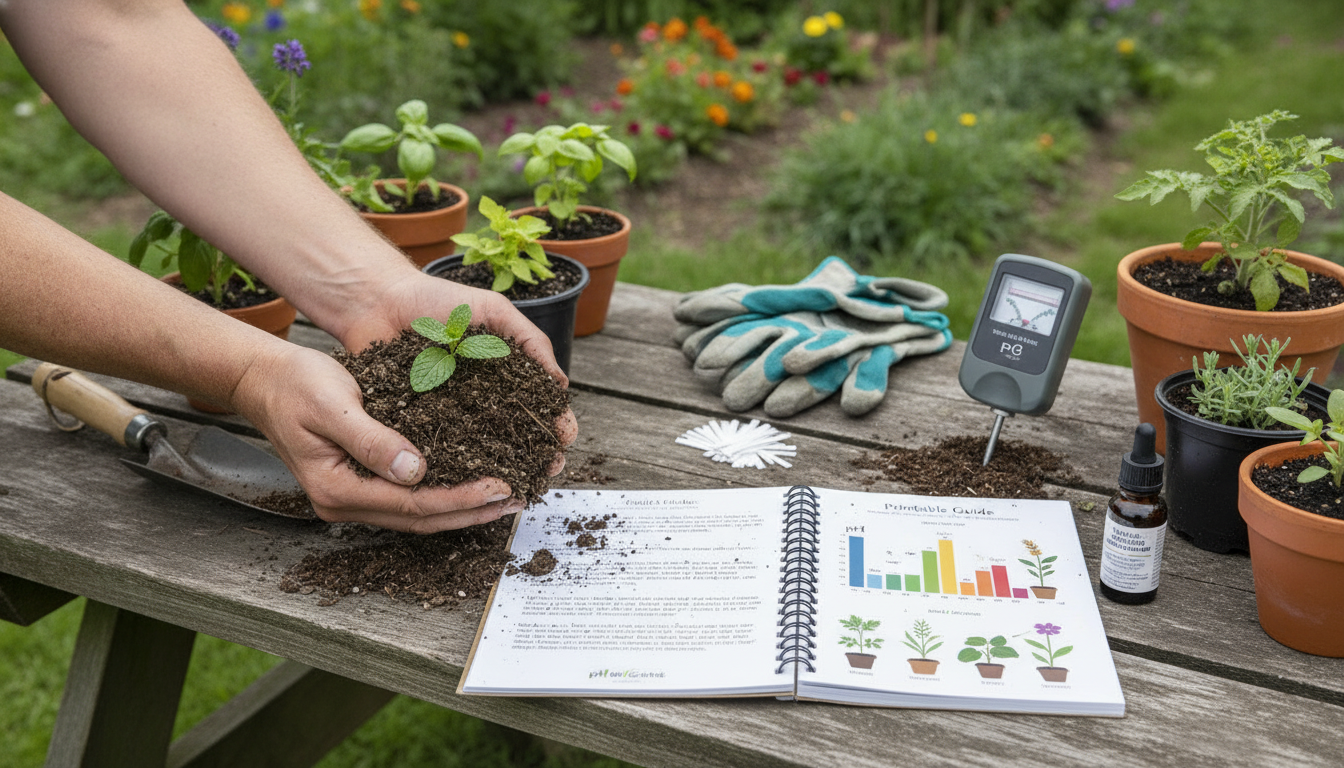
Soil pH Secrets for Thriving Gardens: Test, Interpret, and Match Plants with Confidence
Soil pH quietly influences how easily plants can “reach” nutrients, how active beneficial microbes are, and why frustrating issues—yellowing leaves, stunted growth, weak flowering—can show up even when watering and sunlight seem correct. The good news: once pH is measured correctly and matched to the right plants, many gardens become easier to manage with fewer mystery problems.
What soil pH actually changes in the garden
Soil pH is a measure of how acidic or alkaline your soil is on a 0–14 scale. Most home garden soils sit somewhere between about 5.0 and 8.0, and that range matters because pH affects how nutrients dissolve and move to plant roots.
At higher pH (more alkaline), micronutrients like iron and manganese tend to become less available, which can lead to pale new growth even when fertilizer is present. At very low pH (more acidic), nutrients like phosphorus can get tied up in forms plants can’t use efficiently. Microbial activity and organic matter breakdown can also slow down when soils are too far from the comfort zone of common soil organisms, reducing overall vigor.
Many classic “deficiency” symptoms are actually pH symptoms: chlorosis (yellowing between leaf veins), weak roots, poor fruit set, and blossom-end problems that persist despite feeding. Also, there isn’t one universal “perfect pH.” Different plants thrive in different ranges, and many landscapes perform well across a band rather than a single number.
| What you notice | Likely pH pattern | What to do next |
|---|---|---|
| New leaves turn pale/yellow while veins stay greener (chlorosis), especially on blueberries, azaleas, or hydrangeas | Soil trending too alkaline for acid-loving plants | Test pH; consider acidifying amendments and choose acid-tolerant plants for that bed |
| Slow growth and purpling on older leaves even with fertilizer | Phosphorus tied up (often in very acidic or very alkaline soils) | Confirm pH; adjust gradually and avoid over-fertilizing until pH is corrected |
| Patchy poor performance across the yard | pH varies by location due to fill dirt, construction debris, or drainage differences | Test multiple spots; manage beds separately and match plants to each zone |
| Lawn struggles near concrete edges or mortar | Localized alkalinity from lime leaching | Test near edges; use tolerant plants or add organic matter and monitor |
A simple, reliable soil pH testing routine
Testing works best when it becomes a repeatable routine rather than a one-time event. Plan to test before major planting, then seasonally (often spring and/or fall), and again after you’ve made amendments—just not immediately after applying lime or sulfur, since fresh applications can skew results.
How to sample for a true average
Which test type is worth it?
Home strips and color kits are great for quick trends. Handheld meters are convenient but only reliable when cleaned and calibrated. Lab tests are the gold standard and often include buffer pH plus nutrient levels—especially helpful when the soil resists change. For deeper guidance on pH behavior and lime needs, see University of Minnesota Extension (Soil pH and Lime Requirements) and USDA NRCS (Soil pH: What it Means).
Understanding pH ranges and choosing plants that fit
Common comfort zones
| pH zone | Plants that often do well | Notes for best results |
|---|---|---|
| Acidic (≈4.5–5.8) | Blueberries, azaleas, rhododendrons, camellias | Use acidic mulches (pine bark/needles), monitor annually; avoid liming nearby |
| Slightly acidic to neutral (≈6.0–7.0) | Tomatoes, peppers, beans, cucumbers, zinnias, marigolds | Often the easiest zone for mixed beds; prioritize compost and consistent moisture |
| Neutral to slightly alkaline (≈7.0–7.8) | Lavender, rosemary, thyme, many brassicas | Watch for iron chlorosis on sensitive ornamentals; improve structure with organic matter |
How to raise soil pH safely (when soil is too acidic)
How to lower soil pH safely (when soil is too alkaline)
When pH stays stubbornly high, raised beds with tailored soil, containers for acid-lovers, or simply choosing alkaline-tolerant plants can be the most reliable long-term solution. Penn State Extension offers helpful background on how soil acidity and amendments behave over time (Soil Acidity).
Avoiding common pH mistakes
Printable checklist to keep everything organized
If you want a simple system that turns pH readings into clear next steps, use Soil pH Secrets for Thriving Gardens – printable checklist and plant matching guide. It’s designed to keep the workflow straightforward: sample → test → record → interpret → amend → retest, with space for dates, bed locations, and what you applied so over-correction is less likely.
For gardeners who like structured tracking (and sticking with the plan long enough to see results), Empower Your Inner Voice – A Practical eBook Guide on how to overcome self doubt, Build Confidence, and Strengthen Mindset for Personal Growth can complement your routine by helping you stay consistent through slow, seasonal changes—exactly how soil improvements tend to work.
FAQ
What is the best soil pH for a vegetable garden?
Many vegetables do best in slightly acidic to neutral soil, often around 6.0–7.0, because nutrient availability is generally efficient in that zone. Since preferences vary by crop, testing and aiming for a stable, workable soil (with compost and good structure) is usually more effective than chasing one “perfect” number.
How often should soil pH be tested?
Testing at least once per growing season (spring or fall) is a solid baseline, and it’s smart to test again after major amendments once they’ve had time to react. For best accuracy, test multiple spots per bed and track results over time.
Can coffee grounds change soil pH enough to help plants?
Used coffee grounds are usually close to neutral and mostly contribute organic matter rather than reliably lowering pH. If a real pH change is needed, it’s better to test first and use targeted amendments like lime (to raise pH) or elemental sulfur (to lower pH).












Leave a comment