Stop Pet Scratches: Protect Furniture & Redirect Claws

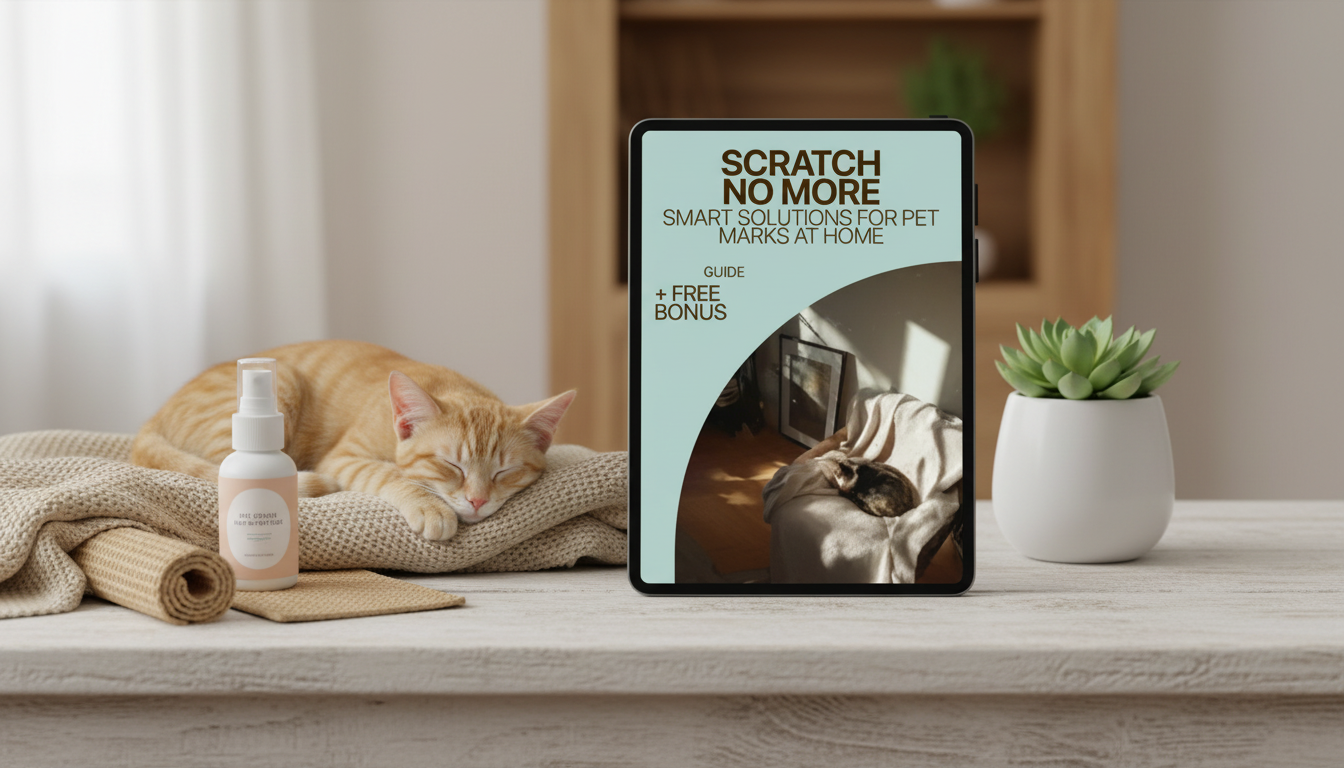
Scratch No More: Smart Solutions for Pet Marks at Home
Pet scratching and claw marks can show up fast—on sofas, door frames, rugs, and even walls. The goal isn’t just to stop scratching, but to redirect it to the right places, protect high-risk surfaces, and handle any damage safely. Below is a practical, room-by-room approach to keep furniture looking good while supporting a calm, enriched pet routine.
Why scratching happens (and why it’s normal)
Scratching isn’t a “bad habit” so much as a normal behavior with real purpose. Cats scratch to maintain their claws, stretch their backs and shoulders, and leave scent markers. Dogs may scratch from excitement, anxiety, play, boredom, or even skin irritation.
Punishment often backfires by adding stress (which can increase scratching) and by failing to teach what to do instead. Better results usually come from making appropriate scratching options obvious and rewarding while making the wrong surfaces less satisfying. If scratching or chewing suddenly spikes, consider what changed (schedule, new pet, guests, loud construction) and check for discomfort like itchiness or pain; a vet visit can be a smart next step when behavior changes quickly.
For deeper background on cat scratching, the ASPCA’s cat scratching guide and the Humane Society’s tips offer clear, humane recommendations.
Find the “scratch zones” before they become damage zones
Before buying supplies or rearranging a room, do a quick “scratch audit.” Most homes have predictable hotspots: sofa corners, carpet edges, door frames, the area near windows, and the spot where a pet launches into zoomies after a nap.
Look for patterns: Does it happen at the same time every day? Right after meals? When deliveries arrive? Near a favorite perch or sleeping area? Once you find the pattern, place approved scratch options within about 3–6 feet of the trouble surface so your pet can choose the easier, more rewarding target.
Hotspot checklist
| Area | Common triggers | Fast fix |
|---|---|---|
| Sofa corners/arms | Stretching after naps; attention seeking | Add a vertical scratcher beside the corner + temporary furniture guard |
| Door frames | Separation anxiety; greetings | Block access briefly + reinforce calm arrivals + provide a scratch post near entry |
| Carpet edges | Texture preference; play | Offer horizontal scratch pads + cover edge with runner/tape while retraining |
| Window area | Territorial marking; stimulation | Add cat tree/sisal post by window + rotate enrichment |
Redirect scratching with the right tools (cats and dogs)
Redirection works best when the replacement “scratch station” matches what your pet is trying to get from the old one.
If mealtimes are chaotic or your dog tends to “rev up,” enrichment feeding can help shift energy into a calmer activity. A suction-cup slow feeder like the Durable Silicone Slow Feeder Dog Bowl with Suction Cups can make licking and foraging part of the daily routine, which often supports calmer indoor behavior.
Protect furniture and surfaces without turning the home into a construction site
Quick protection options by surface
| Surface | Protection option | Best paired with |
|---|---|---|
| Fabric upholstery | Clear guards, throws, double-sided tape (test first) | Vertical scratch post at the corner |
| Wood trim/legs | Corner protectors, removable film | Sisal post + calm reinforcement |
| Carpet edges | Runner overlay, edge tape/threshold strip | Horizontal scratch pad + play redirection |
Repair and reduce the look of existing marks
Build a “scratch-free” routine that actually sticks
Two-week habit reset
| Day range | Focus | What to do |
|---|---|---|
| Days 1–3 | Environment | Add scratchers/pads near hotspots, cover/protect target furniture, trim nails |
| Days 4–10 | Training + rewards | Treat/praise for scratcher use, play near scratch stations, reduce triggers |
| Days 11–14 | Fade protection | Remove some guards gradually; keep scratchers in place long-term |
If anxiety is part of the picture—especially for dogs—pair calm arrivals with decompression walks and predictable quiet time. The AVMA’s pet owner resources are a helpful starting point for understanding behavior and when to seek professional support.
A guided plan for protecting furniture and keeping pets comfortable
A step-by-step approach can make it easier to combine surface protection, enrichment, and habit training into one routine that’s realistic to maintain. For a structured solution guide focused on preventing pet marks and keeping furniture looking good, see Scratch No More: Smart Solutions for Pet Marks at Home.
FAQ
What deters cats from scratching furniture without harming them?
Place stable scratchers (vertical and horizontal) right next to the furniture hotspots and reward your cat for using them. Temporary guards or pet-safe double-sided tape (spot-test first) can make the couch less appealing while the new habit forms, and avoiding punishment helps prevent stress-related scratching.
How many scratching posts does a cat need?
A practical rule is at least one scratch option in each main area your cat uses, plus an extra one at the biggest problem hotspot. Offering different orientations and textures—and making sure each post is sturdy—usually increases success.
Why is my dog scratching furniture and carpets suddenly?
Sudden scratching can come from boredom, stress, a change in routine, or anxiety triggers, but it can also be related to skin irritation or other medical issues. If the change is intense, persistent, or paired with licking, redness, or hair loss, a vet check is recommended.











Leave a comment