Teach Kids Empathy: Age Milestones & Repair Scripts
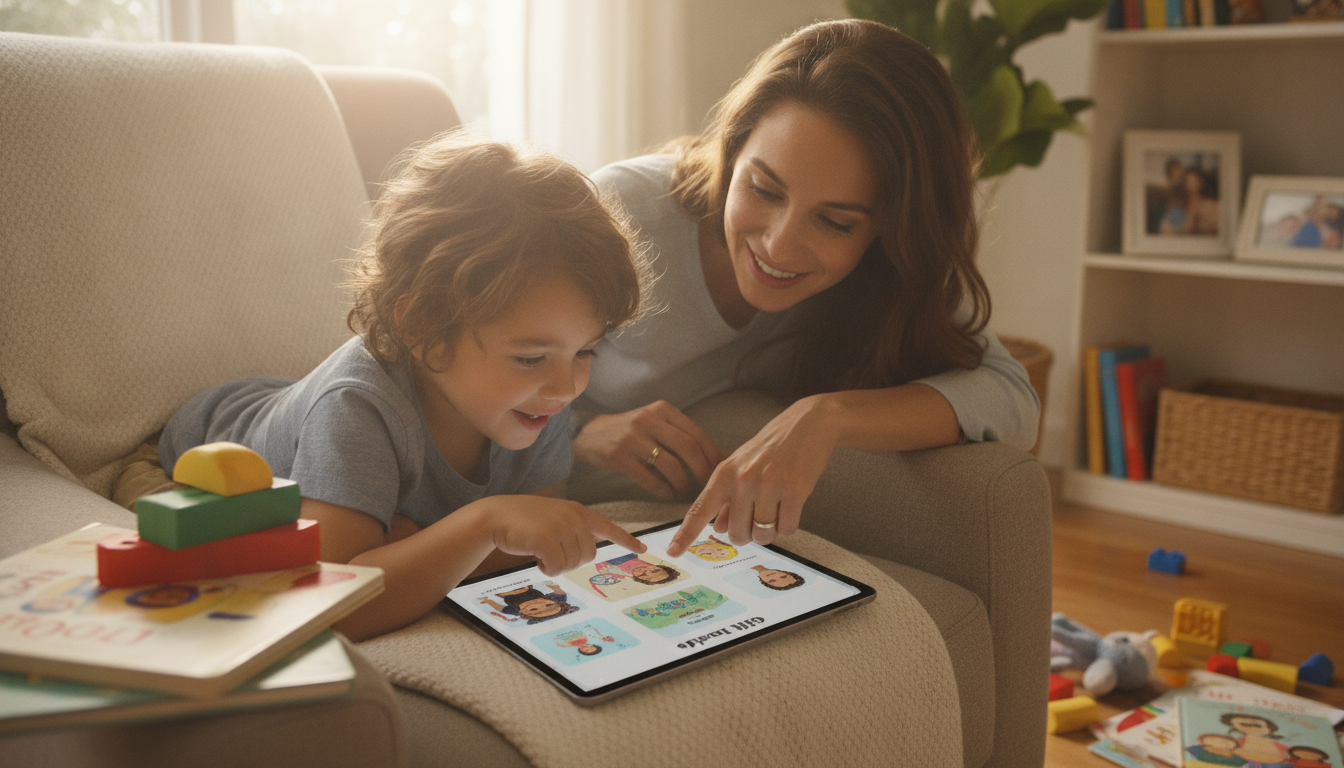
What empathy looks like in daily family life
Empathy isn’t a single trait kids either have or don’t have—it’s a practical skill set they build over time. In family life, it shows up when a child notices emotional cues, names what someone might be feeling, tries on another perspective, and chooses a response that helps rather than harms.
It’s also normal for kids to care and still melt down, snatch, shout, or slam doors. Impulse control and emotional regulation often lag behind empathy. That’s why “They know better” doesn’t always translate into “They can do better” in the moment—especially when they’re tired, hungry, overstimulated, or embarrassed.
Some of the best empathy practice happens in everyday friction: sibling disagreements, playground mishaps, losing games, waiting turns for attention, and rushed transitions. A simple way to coach without lecturing is a three-step loop:
- Notice: What happened—plain facts.
- Name: Feelings and needs (yours and theirs).
- Next: One kind action, boundary, or repair step.
Age-by-age milestones and how to support them
Empathy development is tightly connected to language, self-control, and social experience. A toddler might recognize sadness but still grab a toy. A third-grader may care deeply about fairness yet struggle to include someone who plays differently. Tracking what’s typical for an age can reduce guesswork and keep expectations realistic. For broader developmental context, the CDC’s milestone guides can be helpful: CDC: Developmental Milestones.
| Age range | What’s developing | What to do at home | Quick practice line |
|---|---|---|---|
| 2–3 | Recognizing basic emotions | Name feelings, mirror facial cues, keep choices simple | “You look upset. Want a hug or space?” |
| 4–5 | Understanding others may feel differently | Use story talk: “How did they feel? Why?” | “What could help them feel better?” |
| 6–8 | Fairness, turn-taking, repair skills | Teach apologies with actions; use calm-down plans | “What can you do to fix it?” |
| 9–12 | Friendship nuance, inclusion, empathy under stress | Practice listening without interrupting; plan conflict steps | “Tell me their side first.” |
| 13–17 | Values, boundaries, empathy in digital life | Coach respectful debate; review texts before sending | “How will that land for them?” |
Red flags worth extra attention include chronic bullying, repeated cruelty without remorse, or extreme rigidity that damages relationships across settings. When patterns persist, consider talking with a pediatrician or a child mental health professional. The American Academy of Child & Adolescent Psychiatry also offers parent-friendly references: AACAP: Facts for Families.
Simple routines that build empathy faster than lectures
Empathy grows through repetition—short, doable habits that fit into real life.
- Feelings check-in: Ask for one emotion word plus one body cue (“tight chest,” “hot face,” “wobbly legs”). This builds self-awareness, which fuels empathy for others.
- Two perspectives: After an incident, name your child’s view first, then the other person’s likely view: “You wanted a turn now. She was still building and felt frustrated.”
- Repair ritual: Keep it concrete: acknowledge (“That hurt”), apologize specifically (“for yelling”), and act (help, replace, include, or write a note).
- Kindness micro-challenges: Tiny, visible actions—hold a door, invite someone in, share credit, or notice a classmate’s effort.
- Media coaching: Pause a show briefly: “What do they want? What might they fear?” A little curiosity goes a long way without turning entertainment into a quiz.
Empathy is associated with healthier relationships and cooperation over time, and it benefits both the person receiving empathy and the person practicing it. For a research-grounded overview, see: American Psychological Association: The benefits of empathy.
Conflict resolution scripts kids can actually say
Most kids can’t access their best words while flooded with emotion. Start with a quick calm-down step—water, a few breaths, squeezing a stress ball, or a short “reset” in another room—then move to problem-solving.
Examples to rehearse
Using AI support as a practice partner (without replacing real connection)
When empathy feels hard: strong feelings, neurodiversity, and stress
A guided resource for parents who want a clear plan
If it helps to have consistent language across caregivers, a structured guide can make practice feel simpler. Helping Kids Understand Others: eBook for Kids Empathy Development, Parenting Tips, Age-by-Age Milestones, Conflict Resolution & AI Support is designed for quick use: pick a scenario, practice a script, and follow a simple repair plan after disagreements. It also includes optional AI-supported role-play ideas that reinforce skills between real-life moments.
For parents who want to model calmer self-talk during conflict (which directly supports kids’ empathy and repair), Empower Your Inner Voice – A Practical eBook Guide on how to overcome self doubt, Build Confidence, and Strengthen Mindset for Personal Growth can complement family communication routines by strengthening the internal skills that make patience and follow-through more doable.
FAQ
What is the best way to teach empathy to a child who gets defensive?
Regulate first, then reflect: wait until calm, validate the feeling (“That was disappointing”), and use curiosity questions (“What do you think they needed?”). Practice a short repair script later so your child has words ready next time.
At what age do kids start understanding other people’s feelings?
Toddlers begin recognizing basic emotions, preschoolers start early perspective-taking, and school-age kids grow into fairness and repair skills. More complex empathy—like reading group dynamics and handling digital tone—keeps developing through the teen years.
How can AI be used safely to practice social skills at home?
Use brief, supervised role-plays with general scenarios and no personal identifiers. After practicing one or two lines, apply them in real situations and do a quick reflection to connect practice to real-world behavior.









Leave a comment