Hot-and-Cold Behavior: Meaning and Common Labels

How do you describe someone who is hot and cold?
Someone who’s “hot and cold” is usually described as inconsistent, unpredictable, or sending mixed signals. One day they’re warm, attentive, and fully engaged; the next they’re distant, slow to respond, or acting like nothing’s wrong. People also call this a “push-pull” dynamic—pulling you in with affection or excitement, then pushing you away with silence, detachment, or sudden changes in tone.
If you want a more specific description, it depends on what you’re noticing:
- Emotionally unavailable: They may like the idea of closeness but struggle to maintain it consistently.
- Indecisive or ambivalent: They might not be sure what they want, so their behavior swings with their mood.
- Aloof then affectionate: Their interest comes in bursts, then disappears without explanation.
- Hot-and-cold communicator: Their replies, plans, and energy change dramatically from one interaction to the next.
In everyday conversation, you might say: “They’re giving mixed signals,” “They’re all over the place,” or “Their attention comes and goes.” In a more direct (but still calm) way, you could describe it as “inconsistent follow-through” or “unreliable emotional availability,” especially if their words don’t match their actions.
If this pattern is affecting you, a clear check-in can help: ask for straightforward expectations (frequency of communication, plans, boundaries) and watch whether their behavior becomes steadier over time. And if the back-and-forth is draining, it’s reasonable to protect your energy with firmer limits.
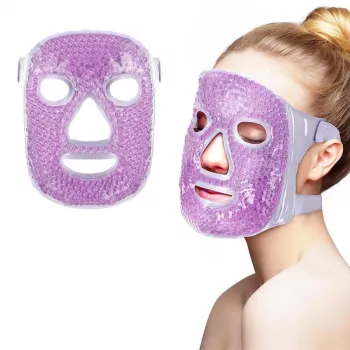
For a totally different (and much more relaxing) kind of “hot and cold,” warm-and-cool therapy is a common self-care reset for tension and puffiness. Learn how alternating temperatures can support a calmer routine in this guide: https://zelvira.com/guide-hot-cold-compress-beauty-mask-depuff-unwind/.
FAQ
What is a hot and cold compress used for?
A hot compress is often used to relax tight muscles and encourage circulation, while a cold compress is commonly used to help reduce swelling, puffiness, or a sore, overheated feeling. Alternating them can feel especially soothing when you want both relaxation and a refreshing reset.











Leave a comment