How to Choose the Right Sport for You (Fast)
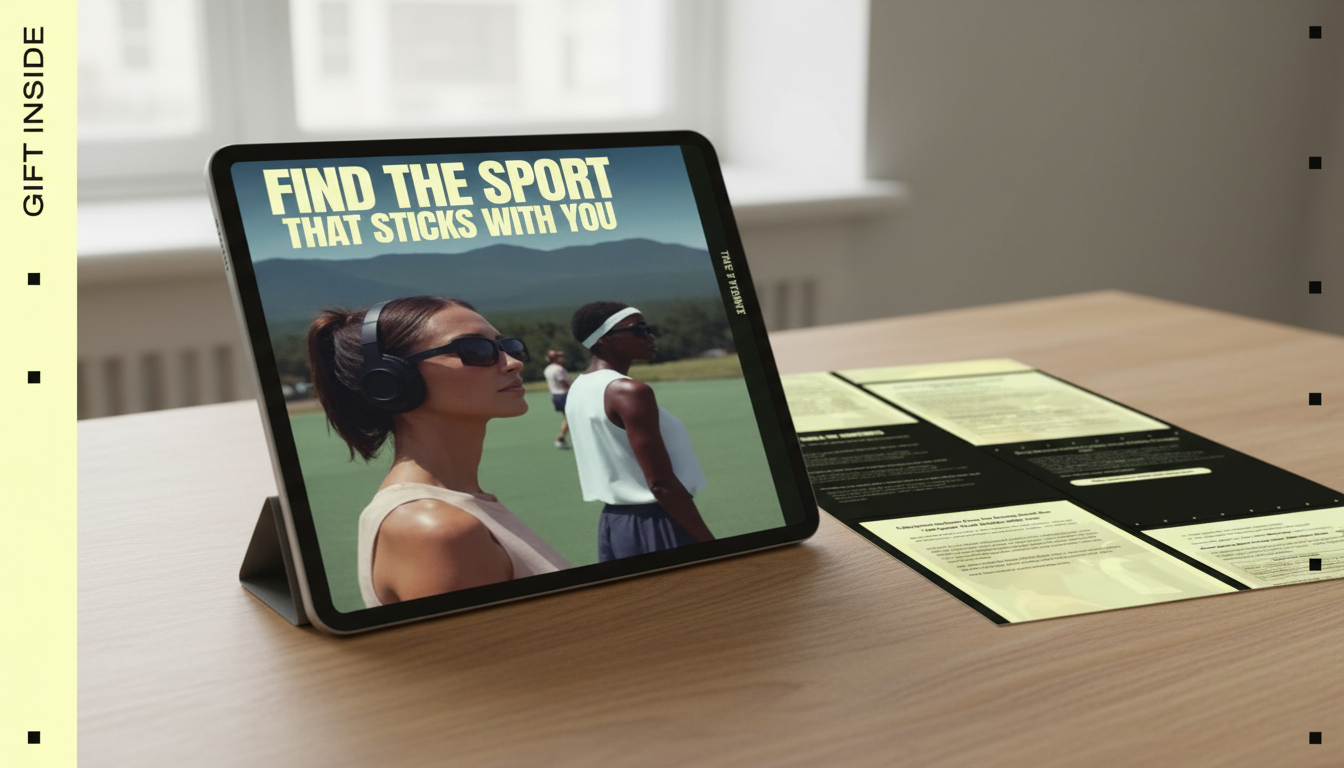
How to choose which sport to play?
Choosing a sport is easier when it’s less about what looks impressive and more about what fits your life, body, and motivation. Start by listing what you want most right now: better fitness, new friends, stress relief, competition, or a skill to master. The “right” sport is the one you’ll actually return to on a busy week.
1) Match the sport to your personality and goals
If you enjoy structure and measurable progress, consider swimming, running, weightlifting, or martial arts. If energy from others keeps you going, try soccer, basketball, volleyball, or hockey. If you want low-pressure movement, cycling, hiking, pickleball, or yoga can be a better fit.
2) Be honest about schedule, access, and cost
A sport you can do close to home and at convenient times wins long-term. Check facility hours, league schedules, and weather needs. Also factor in gear and fees—some sports have low entry costs (running, bodyweight training), while others can add up (ice sports, golf).
3) Consider your body and injury history
Pick something that challenges you without punishing you. If you’ve had knee or ankle issues, low-impact options like swimming, rowing, or cycling may feel better than constant jumping or cutting. If you’re unsure, start with beginner sessions and increase intensity slowly.
4) Try a “two-week test,” not a lifetime commitment
Commit to 2–4 sessions over two weeks. After each session, rate: enjoyment, soreness level, and how easy it was to show up. If you dread it every time, switch. If you feel energized afterward, you’ve found a strong candidate.
5) Make it stick with a simple plan
Choose a beginner-friendly pathway: a class, an intro league, or a training plan. Set a realistic frequency (often 2–3 days/week) and track small wins. For a deeper walkthrough and practical decision steps, visit this guide on choosing a sport you’ll stick with long-term.
FAQ
How do I stay motivated after the first few weeks?
Pick a consistent schedule, keep sessions short at first, and add social accountability (a buddy, class, or league). Setting a simple milestone—like finishing a 5K or learning a new skill—also helps motivation stay tangible.











Leave a comment