Silicone Slow Feeders for Dogs: Pros, Cons & Safety
Is a silicone slow feeder good for dogs?
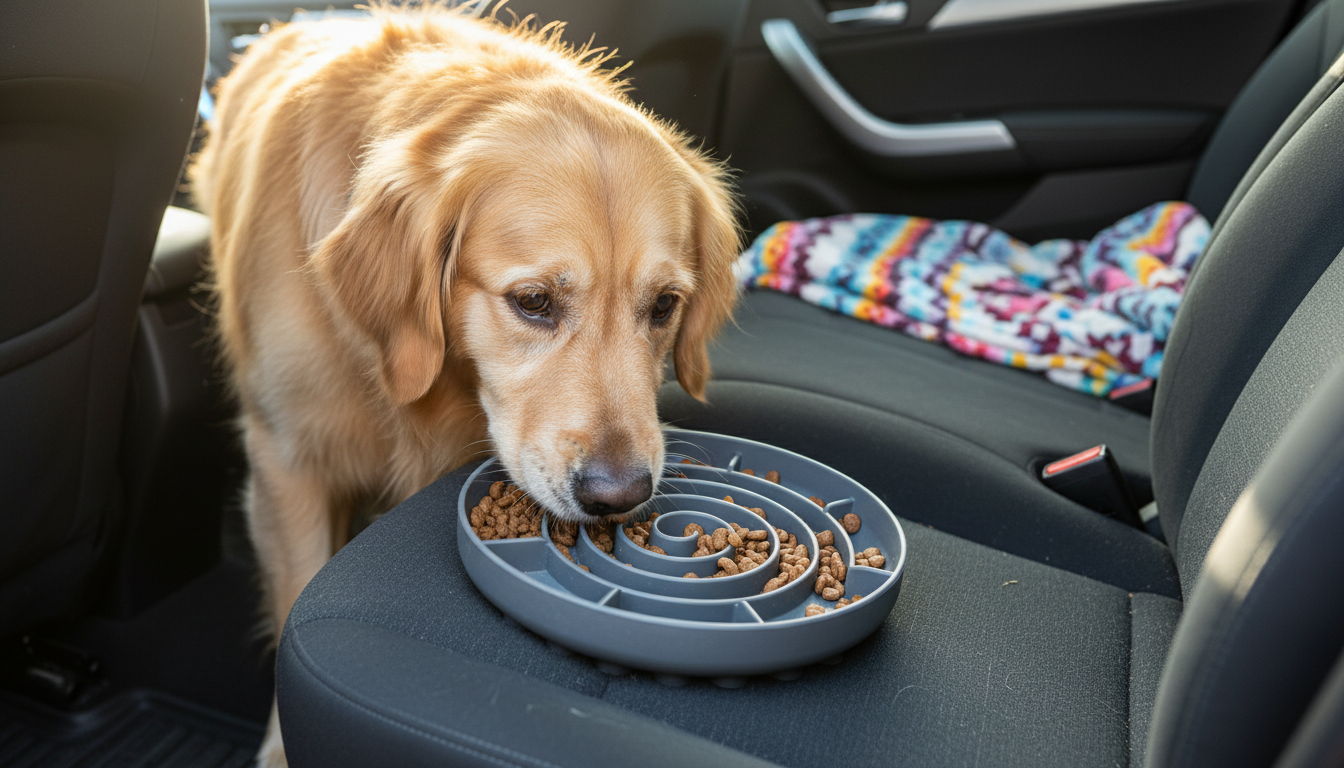
Yes—silicone slow feeders can be a good choice for many dogs because they make fast eaters work around ridges and pockets, which naturally slows down meal time. That can help reduce gulping, lessen the chance of regurgitation, and make eating feel more like a quick puzzle than a race. For dogs that inhale kibble or wet food, a silicone slow feeder is often a simple upgrade with noticeable day-to-day benefits.
What makes silicone a good slow-feeder material?
Silicone is flexible, grippy, and typically gentle on a dog’s mouth. The non-slip feel can help keep the feeder steadier during meals, and the softer surface may be more comfortable than hard plastic for dogs that tend to bite or scrape the bowl while eating. Many silicone feeders are also lightweight and easy to rinse, which can make regular cleaning more realistic for busy households.
When a silicone slow feeder might not be ideal
Silicone isn’t perfect for every dog. Determined chewers may rip pieces off a soft feeder, which creates a choking hazard and can shorten the product’s lifespan. Very large, powerful dogs may also push lightweight silicone feeders around unless the base is wide and highly non-slip. If a dog shows frustration (pawing, flipping the feeder, or refusing to eat), a different slow-feeding design or an easier pattern may work better.
Safety and care tips
Look for food-grade silicone and choose a feeder size that matches the portion being served so food isn’t piled on top of the maze. Supervise the first few uses to confirm the dog licks and eats rather than chews. Clean it after each meal to prevent odor and residue buildup, and replace it if you notice tears, missing chunks, or sticky deterioration.
Learn more
For a deeper breakdown of pros, cons, and what to look for when shopping, visit https://zelvira.com/is-a-silicone-slow-feeder-good-for-dogs/.
FAQ
Can a slow feeder help with bloat in dogs?
It may help by reducing how quickly a dog eats and how much air they swallow, which can lower gulping-related discomfort. It won’t prevent all causes of bloat, so dogs at high risk should still be managed with a vet’s guidance.








Leave a comment