Hot and Cold Behavior: Meaning, Signs, and What to Do
What does it mean to be hot and cold?
To be “hot and cold” means showing inconsistent feelings or behavior—warm and engaged one moment, distant or uninterested the next. It’s often used to describe someone who sends mixed signals, especially in dating or close relationships. The phrase can also apply to communication styles at work or among friends, where responses swing between enthusiastic and withdrawn without a clear reason.
How it shows up in real life
Hot-and-cold behavior usually feels confusing because it creates uncertainty about where you stand. Common examples include quick bursts of attention followed by silence, affectionate messages followed by curt replies, or making plans enthusiastically and then canceling repeatedly. In a workplace context, it might look like inconsistent feedback—praise followed by sudden criticism with no change in performance.
Why someone might act hot and cold
There isn’t one universal cause. Sometimes it’s situational: stress, fatigue, or competing priorities can make someone inconsistent. Other times it’s emotional: fear of vulnerability, indecision, or uncertainty about commitment can lead to pulling closer and then backing away. It can also be a habit of communication where a person engages only when it’s convenient, leaving others to fill in the gaps.
How to respond without getting stuck in the cycle
Start by noticing patterns instead of isolated moments. If the inconsistency affects your time or peace of mind, use direct, calm language to ask for clarity—what they want, what they can realistically offer, and what you need to feel secure. If their actions keep contradicting their words, consider setting boundaries (like limiting last-minute changes or stepping back from constant check-ins) and prioritizing consistent relationships.
A quick note on “hot and cold” in self-care
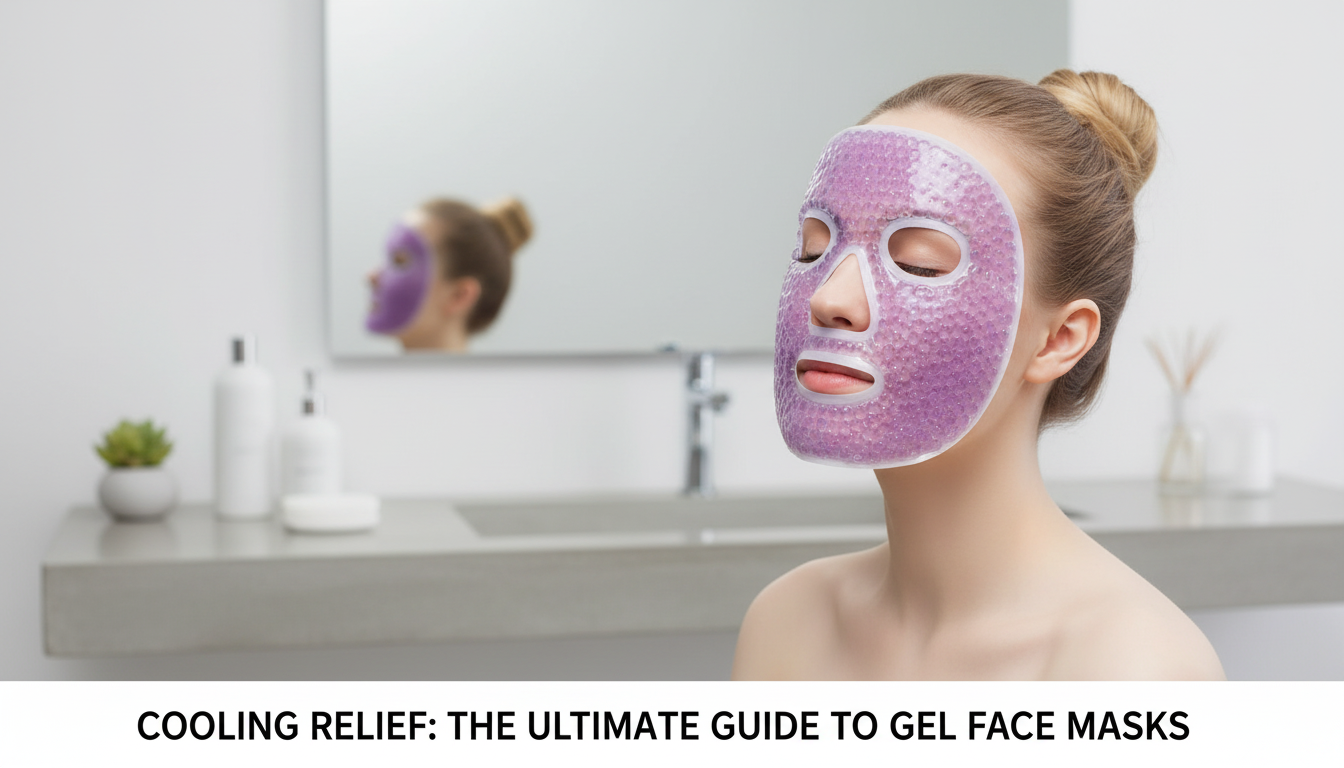
The phrase also shows up outside relationships—most commonly to describe temperature-based routines like alternating heat and cold for comfort and de-puffing. For a practical guide to using warm and cool compresses in a beauty and unwind routine, see this hot and cold compress guide.
FAQ
How do you set boundaries with someone who is inconsistent?
Be specific about what you will and won’t accept (for example, last-minute cancellations or long gaps in communication). If the pattern continues, follow through by reducing availability or stepping back to protect your time and emotional energy.









Leave a comment