Car Lease End: What Happens Next & Your Options
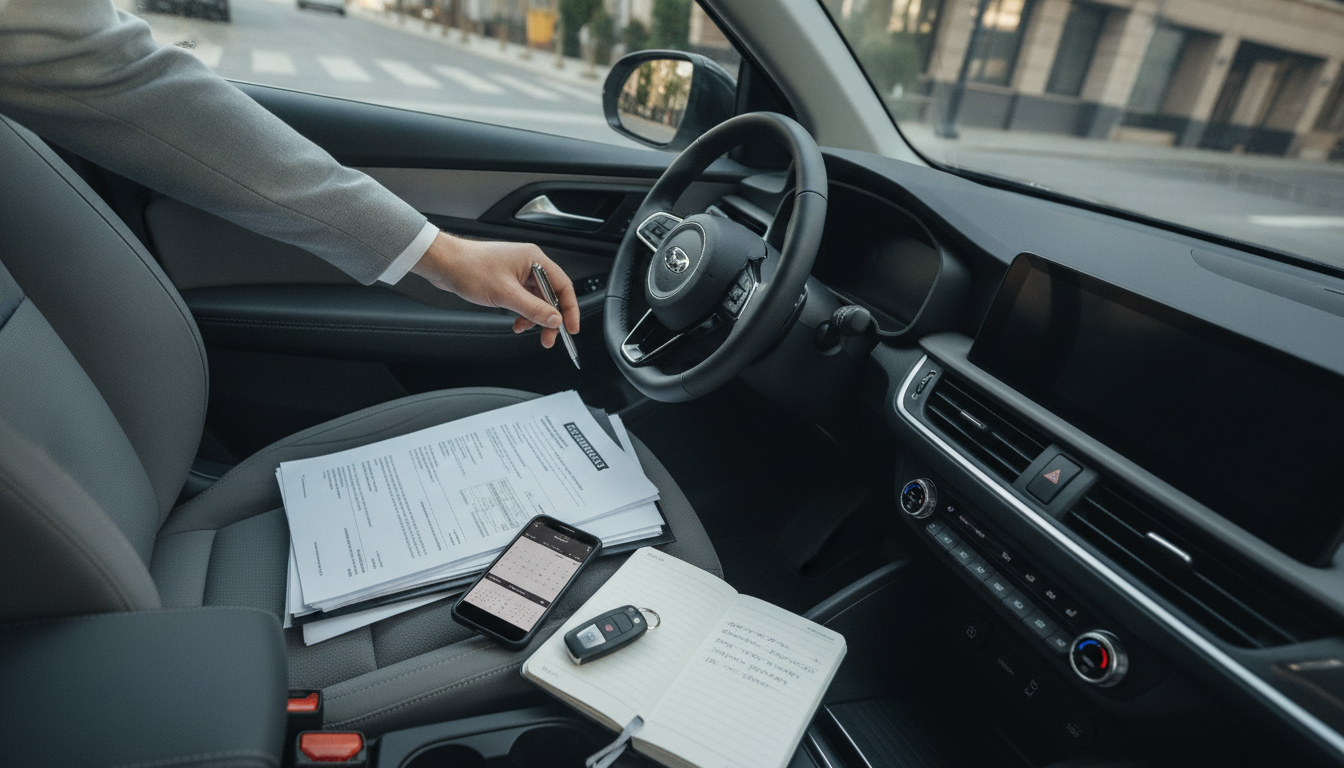
What happens after my car lease ends?
When your car lease ends, the process typically moves fast: the leasing company confirms your end date, you schedule a turn-in inspection (or complete a self-inspection), and you decide whether to return the car, buy it, or replace it with another lease. After the vehicle is turned in, the lessor finalizes your account and sends a closing statement that may include charges or credits.
Your main choices at lease-end
Return the car: You’ll bring the vehicle to the dealer or designated location, hand over keys and required items, and sign an odometer statement. Any end-of-lease costs (like excess wear or extra miles) are calculated after return.
Buy the car: If you like the vehicle and the buyout price makes sense, you can purchase it—often by paying the residual value plus taxes and fees. Some lessors require the purchase to go through a dealer, while others allow a direct buyout.
Lease or finance another vehicle: Many drivers roll straight into a new lease. Just be careful about carrying over old charges or paying for “pull-ahead” offers that don’t fully cover remaining obligations.
What you’ll need to do before turn-in
Start by checking your mileage and locating your contract’s allowance and per-mile overage rate. Then gather everything that originally came with the car—both keys, manuals, cargo covers, floor mats, and any required accessories. If the car has damage, compare repair costs versus likely wear-and-tear charges; in some cases, fixing a scratch or replacing a tire beforehand costs less than the lessor’s bill.
Most leases include a disposition fee when you return the vehicle (often waived if you lease another vehicle with the same company). You may also see charges for excess wear, excess mileage, unpaid fees, or missing items.
After you return the car
Expect a final statement within a few weeks showing any amounts due. Keep copies of the inspection report, turn-in receipt, photos of the car, and proof of any repairs. For a step-by-step checklist covering inspections, common fees, mileage tips, and how to avoid surprises, see this complete car lease end guide.
FAQ
What is a lease disposition fee?
A disposition fee is a charge some leasing companies add when you return the vehicle at the end of the lease. It helps cover the cost of processing, transporting, and selling the car, and it may be waived if you lease another vehicle with the same lessor.












Leave a comment