Silicone Dog Bowls: Safe, Smart, or a Chew Risk?
Are silicone dog bowls good for dogs?
Silicone dog bowls can be a good choice for many dogs when they’re made from food-grade, BPA-free silicone and used the right way. They’re lightweight, flexible, quiet on hard floors, and typically less likely to chip or crack than ceramic or some plastics. For dogs that travel, camp, or eat outdoors, silicone bowls are especially convenient because they’re easy to pack and rinse out.
That said, “good” depends on the specific bowl design and on your dog’s habits. Some dogs love to chew; a soft, flexible bowl can become a chew target, leading to damage or small pieces that don’t belong in a dog’s mouth. If your dog is a determined chewer, a rigid stainless-steel bowl may be a safer everyday option.
What makes a silicone bowl a smart pick?
Food-safety and comfort
High-quality silicone is nonporous, so it’s less likely to hold onto odors compared with some lower-grade plastics. It also tends to be gentle on noses and faces, and it won’t clang loudly while your dog eats.
Stability and fewer messes
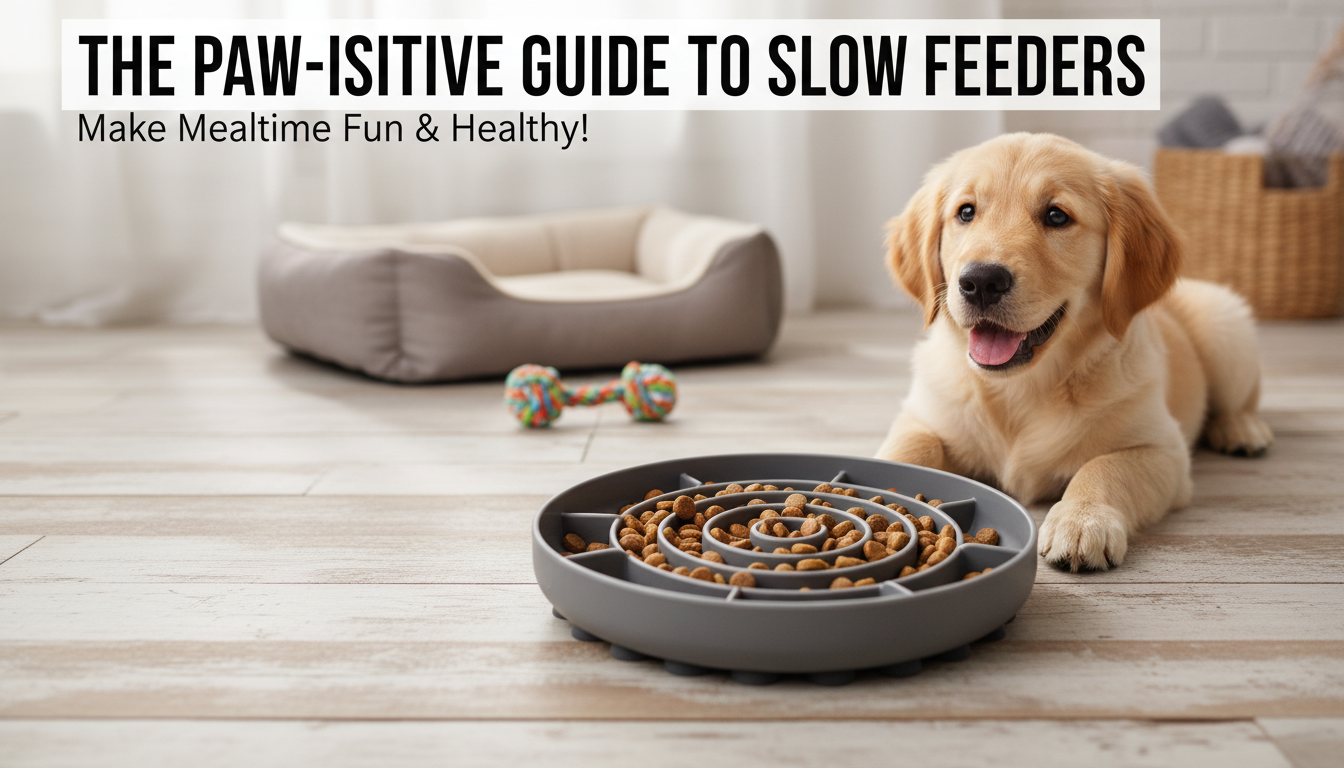
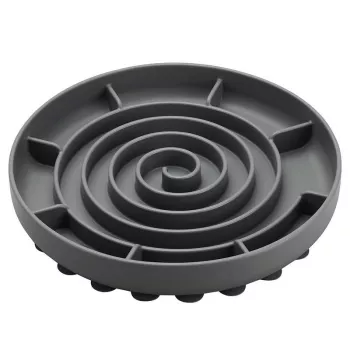
Look for silicone bowls with a wide base or suction cups. A stable bowl helps prevent sliding and flipping, which is useful for enthusiastic eaters or dogs that “push” their bowls around. If you’re considering a slow feeder made of silicone with suction support, see the detailed guide here: silicone slow feeder dog bowl with suction cups (no-spills).
Potential downsides to watch for
Chewing and wear
Inspect the rim and any raised slow-feeder patterns regularly. If you notice tearing, missing chunks, or rough edges, replace the bowl.
Cleaning and heat limits
Many silicone bowls are dishwasher-safe, but always confirm the manufacturer’s directions. Avoid exposing silicone to extreme direct heat (like an open flame) and don’t use a worn bowl that’s difficult to clean fully.
FAQ
How do I clean a silicone dog bowl properly?
Wash it with hot water and dish soap after meals, and scrub any grooves if it’s a slow feeder. If it’s labeled dishwasher-safe, run it on a normal cycle and let it dry completely to prevent lingering odors.








Leave a comment